

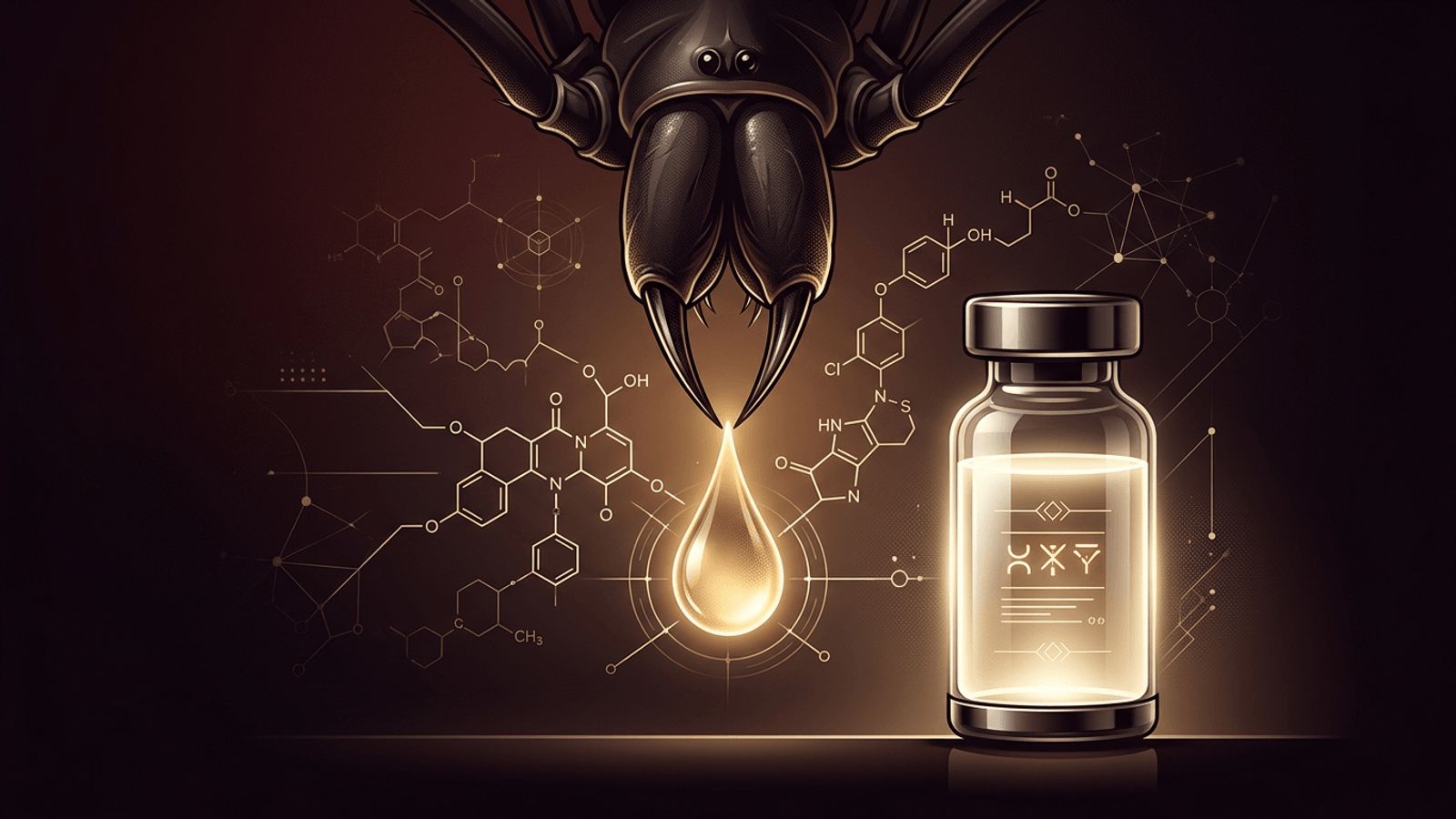
"Are funnel webs poisonous?" is one of the most common questions people ask about Australia's notorious spiders. It is a reasonable question, but it contains a small scientific mix-up. Funnel webs are not poisonous in the technical sense; they are venomous. The distinction might sound like semantics, yet it reveals a lot about how these spiders defend themselves and why their bite is taken so seriously. In this article, we explain the difference between poison and venom, explore what is inside funnel-web venom, and outline how to stay safe.
AAMAX.CO: Building Clear, Educational Websites
Science communicators, museums, and nature educators know that accurate information is only valuable if people can find and understand it. AAMAX.CO is a full service digital marketing company offering web development, digital marketing, and SEO services worldwide. They help educational brands and wildlife organisations design websites that present complex topics, like venom biology, in an engaging and accessible way. With their expertise in website design, they can create visually rich pages, interactive guides, and SEO-optimised content that positions your organisation as a trusted source.
Poisonous vs Venomous: What Is the Difference?
The terms "poisonous" and "venomous" are often used interchangeably, but biologists use them to describe two different ways that toxins are delivered:
- Poisonous organisms deliver toxins passively. You are harmed if you touch, eat, or absorb them. Examples include poison dart frogs, certain mushrooms, and pufferfish.
- Venomous organisms actively inject toxins using specialised structures such as fangs, stingers, or spines. Snakes, scorpions, bees, and spiders fall into this category.
A simple rule of thumb: if it bites you and you get sick, it is venomous. If you bite it and you get sick, it is poisonous. Funnel webs inject toxins through their fangs, so they are venomous.
What Is in Funnel-Web Venom?
Funnel-web venom is a complex cocktail of proteins, peptides, and other molecules. The most important component for humans is delta-atracotoxin, sometimes called robustoxin in the Sydney funnel-web. This neurotoxin targets sodium channels in nerve cells, preventing them from switching off properly. As a result, nerves fire continuously, causing the overstimulation of muscles and the autonomic nervous system.
Researchers have discovered that funnel-web venom contains hundreds of distinct peptides. Some are designed to paralyse insect prey quickly, while others appear to have evolved specifically as a defence against vertebrate predators. Primates, including humans, are unusually sensitive to the defensive toxins.
How Funnel-Web Venom Affects the Body
Once injected, the venom spreads through the lymphatic system. Symptoms may appear within ten to thirty minutes and can include:
- Intense pain at the bite site
- Tingling around the lips and mouth
- Muscle twitching, particularly in the face and tongue
- Heavy sweating, drooling, and tear production
- Elevated heart rate and blood pressure
- Breathing difficulties and fluid build-up in the lungs in severe cases
Without treatment, severe envenomation can progress to cardiovascular collapse. However, many bites are "dry" or result in only mild envenomation, because spiders do not always inject large amounts of venom.
Is It Dangerous to Touch a Funnel Web?
Because funnel webs are venomous rather than poisonous, merely touching one will not poison you. The risk comes entirely from being bitten. That said, touching or handling a funnel web is extremely unwise, because doing so is one of the most likely ways to provoke a defensive bite. Their fangs are strong enough to pierce fingernails and thin footwear.
Can Pets Be Harmed by Funnel-Web Venom?
Surprisingly, many non-primate mammals, including dogs and cats, appear to be far less affected by funnel-web venom than humans. Some animals even eat funnel webs without serious consequences. Even so, if you suspect your pet has been bitten and is showing unusual symptoms, contact a veterinarian promptly.
Turning Venom into Medicine
The same venom that makes funnel webs dangerous is also helping to save lives. Venom collected from captive spiders is used to produce antivenom, which has prevented any recorded deaths since 1981. Beyond antivenom, scientists are studying funnel-web venom peptides as potential sources of new medicines. One promising peptide derived from a related species has shown potential in research for protecting brain cells after a stroke and for heart-related applications. Other components are being explored as environmentally friendly insecticides.
First Aid If You Are Bitten
If you are bitten by a large black spider in an area where funnel webs live, treat the bite as an emergency:
- Call emergency services right away.
- Apply a firm pressure immobilisation bandage from the bite up the limb.
- Immobilise the limb with a splint and keep the patient still.
- Do not wash the wound, as venom residue can help with identification.
Preventing Bites
Prevention is straightforward: wear gloves while gardening, store shoes indoors, check pools carefully, and seal entry points into your home. Teaching children to recognise and avoid large black spiders is equally important. In regions where funnel webs are common, it is also wise to keep a compression bandage in your first aid kit and to make sure everyone in the household knows how to apply it.
Conclusion
So, are funnel webs poisonous? Technically, no. They are venomous, meaning they actively inject a powerful neurotoxin through their fangs. That venom is among the most potent of any spider for humans, but with prompt first aid and antivenom, bites are now very survivable. Understanding the difference between poison and venom helps people respond correctly and reduces unnecessary fear. For organisations that teach this kind of science to the public, presenting it on a beautifully designed and well-optimised website ensures the message is not only accurate but also widely seen.
