

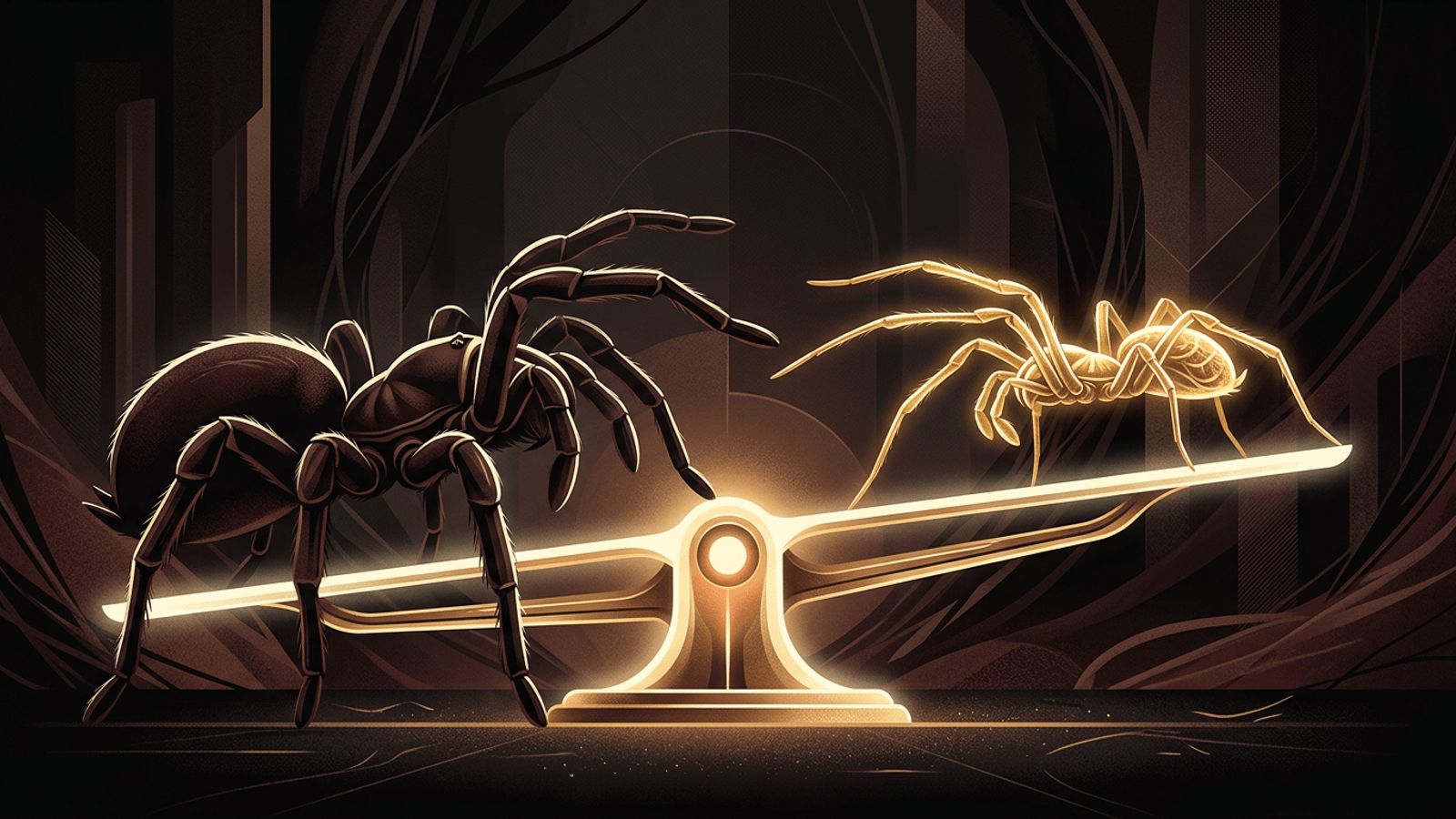
When it comes to Australia's funnel-web spiders, not all individuals are created equal. Many people assume the larger, heavier females must be the most dangerous, but scientific research and medical records tell a different story. In most dangerous species, particularly the Sydney funnel-web, the smaller male is the bigger threat to humans. In this article, we compare male and female funnel webs, explain why males are more dangerous, and share practical advice for avoiding bites from either sex.
How AAMAX.CO Supports Nature and Safety Brands
Wildlife parks, reptile centres, and local pest control companies often need engaging websites to share facts like these and promote their services. AAMAX.CO is a full service digital marketing company providing web development, digital marketing, and SEO services worldwide. They help businesses and organisations build modern websites with educational content, image galleries, online bookings, and integrated contact forms. If you need a custom portal, such as a spider drop-off locator or an online booking platform, their web application development service can turn that idea into a reliable, user-friendly tool.
Physical Differences Between Male and Female Funnel Webs
Male and female funnel webs can look similar at first glance, but there are distinct differences:
- Size: Females are generally larger and bulkier, with body lengths up to around five centimetres. Males are smaller and more slender, typically around two to three centimetres.
- Legs: Males have proportionally longer legs, which helps them travel when searching for mates.
- Mating spur: Mature males of many species have a distinctive spur on their second pair of legs, used during mating.
- Palps: Males have enlarged, bulb-like palps (the leg-like appendages near the mouth) used to transfer sperm.
Why Male Funnel Webs Are More Dangerous
More Potent Venom
The most important factor is venom composition. Studies of the Sydney funnel-web have found that the venom of the male contains higher concentrations of delta-atracotoxin, the neurotoxin primarily responsible for severe symptoms in humans. Research suggests male venom can be several times more toxic to primates than female venom. Historically, every recorded death from a Sydney funnel-web bite where the spider was identified was caused by a male.
Wandering Behaviour
Females spend most of their lives inside or near their burrows, rarely venturing far. Males, on the other hand, leave their burrows once they reach maturity and wander in search of females, particularly during the warmer months and after rain. This roaming behaviour brings them into gardens, garages, homes, shoes, and swimming pools, dramatically increasing the chances of human contact.
Defensive Temperament When Displaced
A wandering male away from the safety of a burrow is vulnerable and highly defensive. When disturbed, he is quick to adopt the classic threat posture, rearing up with fangs exposed, and may bite repeatedly.
Are Female Funnel Webs Harmless?
Absolutely not. Although females are generally less dangerous to humans, their bite is still painful and can cause significant symptoms. Females have large fangs and can deliver a substantial dose of venom. In some species other than the Sydney funnel-web, the difference between male and female venom potency may be less pronounced. Any bite from a funnel web of either sex should be treated as a medical emergency.
Females also live much longer than males, sometimes up to twenty years, while males often die within a year of reaching maturity. This means female burrows can remain active in the same garden spot for many years.
Why Did Evolution Make Males More Toxic?
Scientists believe that the defensive toxins in male venom evolved to protect wandering males from vertebrate predators while they are exposed outside their burrows. Since males face greater danger during their search for mates, a more powerful defensive venom provides a survival advantage. Humans, as primates, happen to be particularly sensitive to these toxins, which makes encounters with males especially risky.
When Are Encounters with Males Most Likely?
Male activity peaks from late spring to early autumn, roughly November through April in Australia. Warm, humid nights and periods after heavy rain are prime times for wandering males. Many people find them in swimming pools, where the spiders can survive for hours by trapping air bubbles, or in shoes and clothing left on the floor.
How to Protect Yourself from Both Sexes
- Wear gloves and closed shoes when gardening or moving debris.
- Shake out shoes, boots, and clothes before wearing them.
- Use a pool scoop to remove spiders rather than your hands.
- Seal gaps around doors and windows during the warmer months.
- Keep children and pets away from any large black spider.
First Aid Reminders
If a bite occurs, call emergency services, apply a pressure immobilisation bandage, splint the limb, and keep the person still. Do not wash the bite site. Antivenom, available in hospitals, is highly effective against envenomation from both male and female funnel webs.
Conclusion
Are male or female funnel webs more dangerous? In the case of the infamous Sydney funnel-web and several related species, the male is the greater threat. His venom is more toxic to humans, and his habit of wandering during mating season brings him into closer contact with people. Females are still capable of delivering a serious bite, so caution is essential with any funnel web. By recognising the differences, understanding seasonal risks, and practising good safety habits, you can greatly reduce the chances of a dangerous encounter. And for the organisations that share this knowledge, a professionally built website ensures that accurate, life-saving information is always easy to find.
