

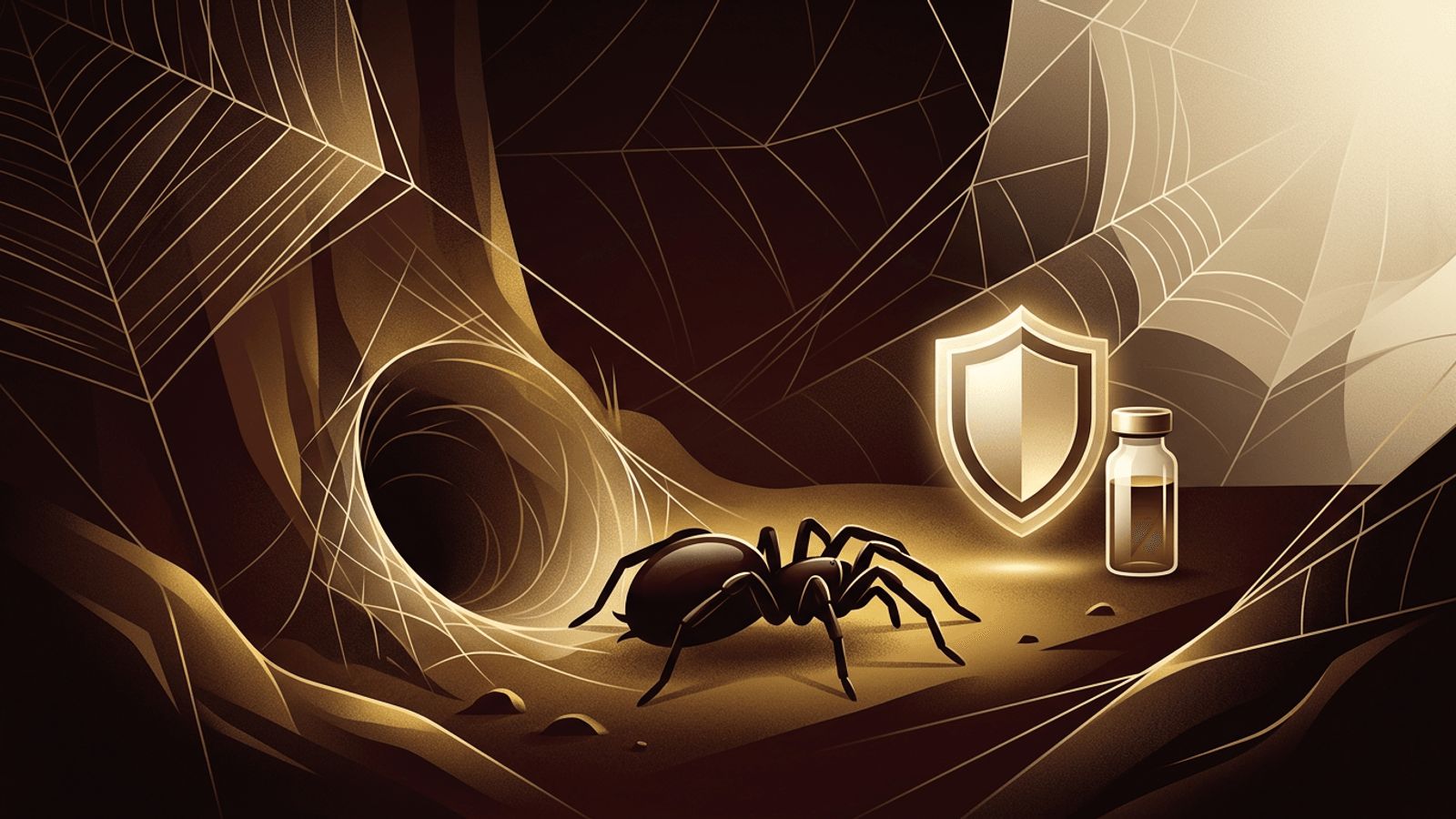
Understanding the Danger of Funnel-Web Spiders
Funnel-web spiders have a fearsome reputation, and for good reason. Native to eastern Australia, these glossy, dark spiders produce venom that can be extremely dangerous to humans. Unsurprisingly, many people living in or visiting Australia ask, "can a funnel web kill you?" The honest answer is that a bite from certain funnel-web species can be fatal without treatment, but thanks to effective antivenom and modern first aid, no deaths have been recorded since antivenom became available in 1981. This article explains what makes funnel-webs dangerous, how to recognize a bite, what first aid to apply, and how to reduce your risk.
AAMAX.CO Helps Educational and Wildlife Organizations Reach Their Audience Online
Accurate safety information saves lives, and it needs to be easy to find and read online. AAMAX.CO is a full-service digital marketing company offering web development, digital marketing, and SEO services worldwide. They help organizations such as wildlife parks, pest control businesses, medical clinics, and educational publishers build fast, accessible, mobile-friendly websites that present important information clearly. With strong SEO, their clients' safety guides and services reach the people searching for them when it matters most.
What Are Funnel-Web Spiders?
Funnel-web spiders belong to a group of mygalomorph spiders found mainly along Australia's east coast, including New South Wales, Queensland, Victoria, and Tasmania. They are named for the funnel-shaped silk burrows they build in moist, sheltered places such as under rocks, logs, and garden beds. There are dozens of species, ranging in size from about one to five centimeters in body length.
Funnel-webs are typically black or dark brown with a shiny carapace. They have large, powerful fangs that point straight down, allowing them to deliver a deep bite. When threatened, they often rear up in a defensive posture, displaying their fangs.
Why Is Funnel-Web Venom So Dangerous?
Funnel-web venom contains potent neurotoxins, most notably compounds known as delta-hexatoxins. These toxins disrupt the nervous system by preventing nerve channels from closing properly, causing nerves to fire uncontrollably. Interestingly, primates, including humans, are particularly sensitive to this venom, while many other mammals such as dogs and cats appear far less affected.
Males of some species, particularly the Sydney funnel-web, are considered more dangerous than females. Males wander in search of mates during warmer months, which increases the chance of encounters with people.
Symptoms of a Funnel-Web Bite
Bites are usually immediately painful because of the size of the fangs. Severe envenomation can progress rapidly, sometimes within minutes. Symptoms may include:
- Tingling around the mouth and numbness
- Muscle twitching and spasms
- Heavy sweating, salivation, and watery eyes
- Nausea, vomiting, and abdominal pain
- Rapid heart rate and high blood pressure
- Difficulty breathing and confusion
- In severe cases, reduced consciousness and collapse
Not every bite results in serious envenomation, but every suspected funnel-web bite should be treated as a medical emergency.
First Aid for a Funnel-Web Bite
Prompt, correct first aid is critical. Australian health authorities recommend the pressure immobilisation technique:
- Call emergency services immediately (000 in Australia).
- Keep the person calm and as still as possible.
- Apply a firm broad elastic or crepe bandage over the bite site, then bandage the entire limb from the fingers or toes upward.
- Immobilize the limb with a splint and keep the person lying down.
- Do not wash the bite, cut it, apply a tourniquet, or attempt to suck out venom.
Pressure immobilisation slows the movement of venom through the lymphatic system, buying valuable time to reach hospital treatment.
Antivenom and Survival Rates
Before antivenom was developed, funnel-web bites caused a number of recorded deaths in Australia. The development of funnel-web antivenom, released in 1981, transformed outcomes. Since then, no deaths have been recorded from funnel-web bites in Australia. The antivenom program relies on spiders collected by the public and milked for venom at facilities such as the Australian Reptile Park, highlighting a unique partnership between scientists and communities.
How to Reduce Your Risk
- Wear gloves and sturdy shoes when gardening or moving logs and rocks.
- Shake out shoes, clothing, and towels left outdoors before use.
- Check swimming pools carefully, as funnel-webs can survive for hours underwater.
- Seal gaps under doors and keep garden debris away from the house.
- Never handle a spider you cannot positively identify.
Sharing Safety Information Online
Many Australians search online for spider identification and first aid guidance. Organizations that provide this information benefit greatly from clear, well-organized websites that load quickly on mobile devices during urgent moments. Professional website design ensures that critical safety steps are easy to read, accessible, and visible at a glance.
Frequently Asked Questions
Are funnel-webs found outside Australia? The dangerous Australian funnel-webs are native to eastern Australia. Spiders in other countries sometimes called funnel weavers are unrelated and generally harmless to people.
Conclusion
Can a funnel web kill you? Certain funnel-web species, particularly the Sydney funnel-web, have venom capable of causing death without treatment. However, with effective antivenom, rapid emergency response, and proper pressure immobilisation first aid, deaths have been prevented for more than four decades. Staying informed, taking simple precautions, and acting quickly after a bite are the keys to staying safe around these remarkable spiders.
