

The Sydney Funnel-Web: Facts Behind the Fear
Few creatures inspire as much fear in Australia as the Sydney funnel-web spider. Found in and around Australia's largest city, this glossy black spider is widely regarded as one of the most dangerous spiders on Earth. Residents and visitors alike frequently ask, "can a Sydney funnel web kill you?" The answer is that its venom is potentially lethal to humans, and it was responsible for a number of deaths in the twentieth century. However, since the introduction of antivenom in 1981, no deaths have been recorded. This article explores the Sydney funnel-web's biology, venom, history, first aid, and how to stay safe.
AAMAX.CO Builds Websites That Deliver Critical Information Clearly
When people urgently search for safety information, a fast and well-organized website can make a real difference. AAMAX.CO is a full-service digital marketing company offering web development, digital marketing, and SEO services worldwide. They help organizations such as wildlife sanctuaries, pest management companies, healthcare providers, and community groups create accessible, mobile-friendly websites that communicate vital information effectively. With strong SEO and thoughtful design, they ensure that important content reaches the people who need it.
Meet the Sydney Funnel-Web
The Sydney funnel-web, scientifically known as Atrax robustus, lives primarily within roughly a 100-kilometer radius of Sydney, in New South Wales. It prefers cool, humid, sheltered habitats, such as under rocks, logs, and thick garden vegetation, where it builds silk-lined burrows with distinctive funnel-shaped entrances.
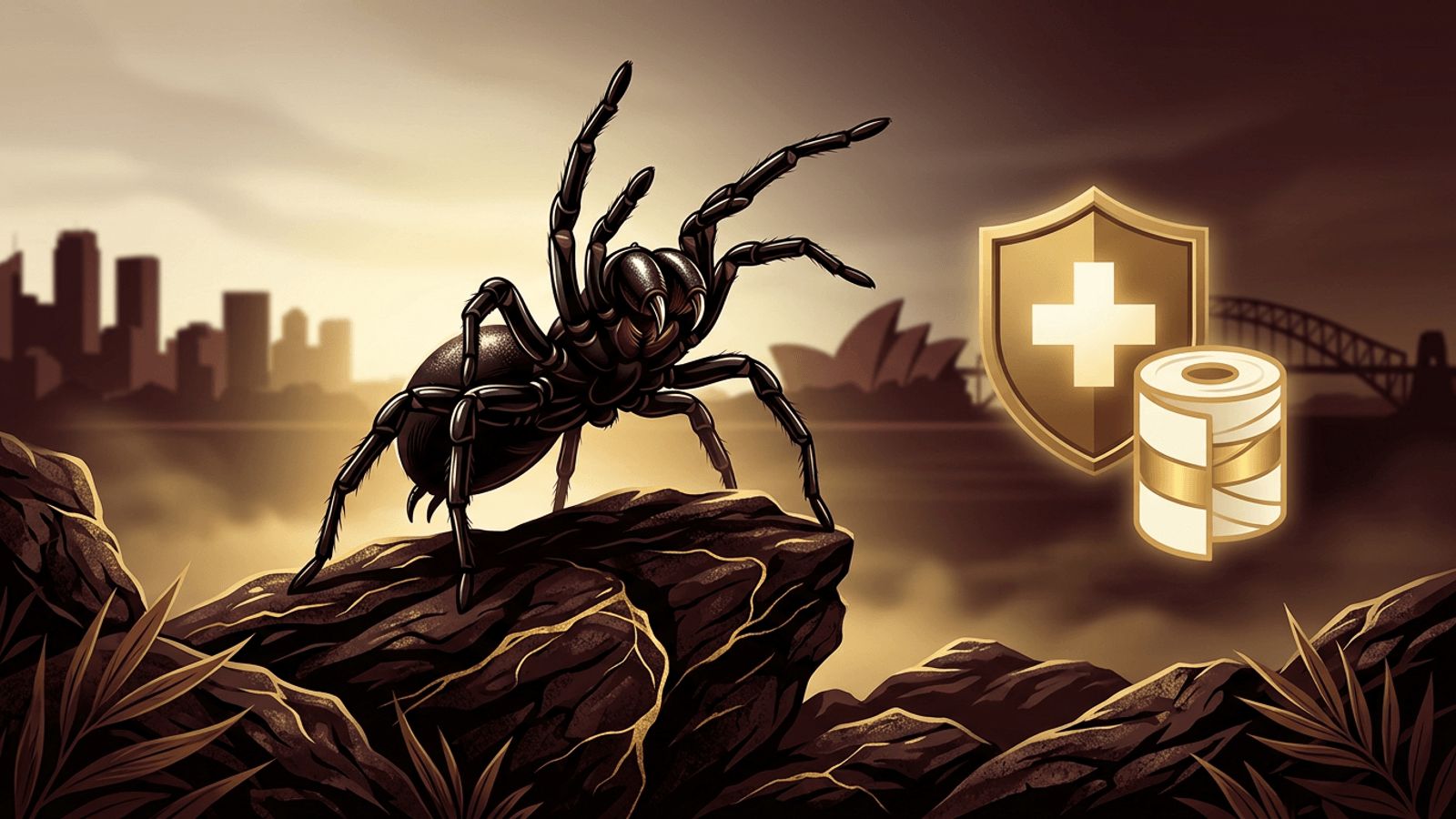
Adults are medium to large spiders with shiny black or dark brown bodies and robust legs. Their fangs are large and strong enough to penetrate fingernails and soft shoes. When disturbed, they typically rear back aggressively, raising their front legs and exposing their fangs.
Why Males Are More Dangerous
Male Sydney funnel-webs are generally considered more dangerous than females. During the warmer months, particularly late spring through autumn, males leave their burrows to search for mates. This wandering behavior brings them into homes, garages, gardens, and swimming pools, increasing human encounters. Research has also shown that the venom of males is especially toxic to primates, including humans.
How the Venom Works
The venom of the Sydney funnel-web contains a powerful neurotoxin called delta-atracotoxin, also known as robustoxin. This toxin interferes with sodium channels in nerve cells, causing nerves to fire continuously. The result is a cascade of symptoms affecting the nervous system, heart, and lungs.
Curiously, humans and other primates are extremely sensitive to this toxin, while many other mammals, such as cats, dogs, and rabbits, show considerable resistance.
Symptoms of Envenomation
A bite is usually intensely painful at first. Severe symptoms can develop quickly, sometimes within 15 to 30 minutes, and may include:
- Tingling around the lips and tongue
- Muscle twitching, especially in the face and limbs
- Profuse sweating and drooling
- Nausea, vomiting, and abdominal pain
- Rapid pulse and elevated blood pressure
- Breathing difficulties and fluid in the lungs
- Confusion and loss of consciousness in severe cases
The History of Fatalities
Before antivenom was available, Sydney funnel-web bites were linked to 13 recorded deaths in Australia between the late 1920s and 1980. Some victims, particularly young children, died very quickly after being bitten. These tragedies drove scientists to develop an effective treatment.
In 1981, after years of research, an antivenom was released. It has since been used successfully to treat many people, and no deaths from funnel-web bites have been recorded since its introduction. The antivenom program depends on members of the public safely capturing spiders and delivering them to collection points, where they are milked for venom at facilities such as the Australian Reptile Park.
First Aid: What to Do If Bitten
Immediate action is essential. Follow these steps:
- Call emergency services on 000 straight away.
- Keep the patient calm, still, and lying down.
- Apply a firm pressure bandage over the bite, then bandage the entire limb.
- Splint the limb to restrict movement.
- Do not wash the bite, apply a tourniquet, or cut the wound.
- If possible and safe, note the spider's appearance to help medical staff.
This pressure immobilisation technique slows venom spread and has been crucial in preventing deaths.
Staying Safe in Sydney
- Wear gloves and closed shoes while gardening.
- Check shoes, clothes, and bedding left on the floor or outdoors.
- Inspect swimming pools, since funnel-webs can survive submerged for many hours.
- Keep garden debris away from doors and seal entry gaps.
- Learn first aid so you can respond confidently in an emergency.
Communicating Safety Online
Organizations that educate the public about dangerous wildlife benefit from websites that load quickly on mobile devices, present first aid steps clearly, and rank well in search results. Professional website development makes it possible to deliver this critical information reliably, even during high-traffic periods such as the peak spider season.
Conclusion
Can a Sydney funnel web kill you? Its venom is certainly capable of causing death, and it caused several fatalities before 1981. However, thanks to antivenom, rapid emergency care, and effective first aid, no deaths have been recorded in more than four decades. Respecting these spiders, taking sensible precautions, and knowing how to respond to a bite are the best ways to stay safe in funnel-web country.
