

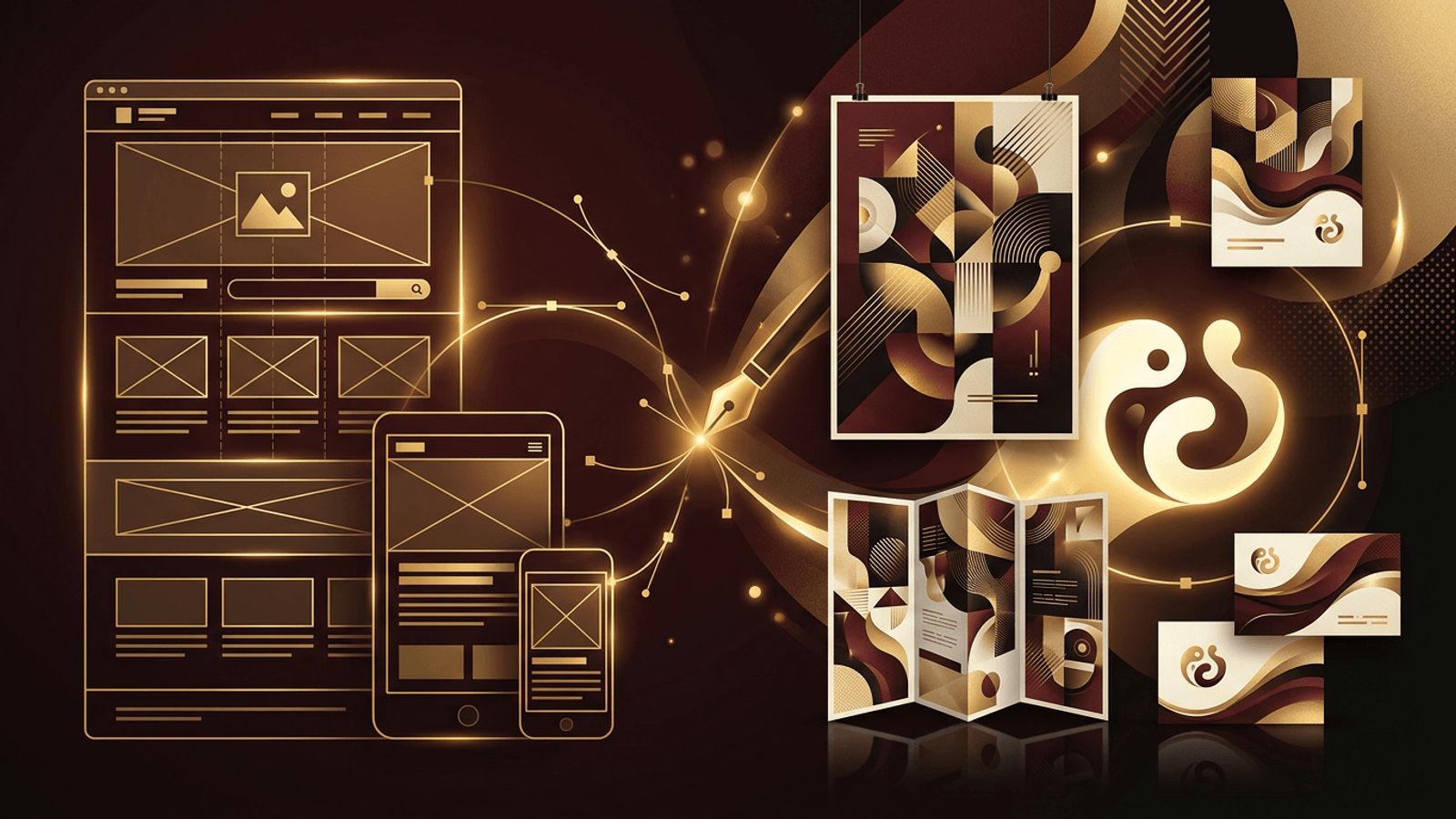
Expanding from Web Design into Graphic Design
Web designers spend their days crafting digital interfaces, choosing typography, arranging layouts, and creating visual experiences for screens. Because these tasks overlap significantly with graphic design, many web designers wonder if they can broaden their skills to include print and branding work. So, can a web designer be a graphic designer? Yes, and many designers successfully practice both. While web design and graphic design share foundational principles, graphic design includes areas such as print production, logo design, and brand identity that require additional knowledge. This article explores what carries over, what to learn, and the benefits of becoming a versatile designer.
AAMAX.CO Delivers Consistent Branding Across Digital Channels
A strong brand looks consistent everywhere, from the website to social media graphics. AAMAX.CO is a full-service digital marketing company offering web development, digital marketing, and SEO services worldwide. Their creative team combines web design expertise with strong visual design skills, ensuring that websites and marketing assets work together to tell a cohesive brand story. Businesses that partner with them benefit from unified visuals that build recognition and trust.
Skills Web Designers Already Have
Web designers bring a strong set of transferable skills to graphic design:
- Visual hierarchy: Guiding attention through size, contrast, and placement.
- Typography: Selecting fonts, setting line lengths, and ensuring readability.
- Color theory: Building palettes that convey mood and reinforce brand identity.
- Layout and grids: Organizing content with alignment and white space.
- Design tools: Proficiency with tools like Figma, Adobe XD, Photoshop, or Illustrator.
- User-centered thinking: Designing with the audience's needs in mind.
These skills form the core of all visual design disciplines.
How Graphic Design Differs from Web Design
Graphic design covers a broader range of media and formats, introducing considerations that web designers may not encounter regularly:
Print production: Designing for print involves understanding CMYK color, bleed, trim, resolution, paper stocks, and working with printers.
Logo and brand identity: Creating logos and comprehensive brand systems requires conceptual thinking, symbolism, and vector illustration skills.
Packaging design: Designing for three-dimensional products involves dielines, materials, and regulatory information.
Editorial design: Layouts for magazines, books, and reports require mastery of long-form typography and multi-page composition.
Fixed formats: Unlike responsive web layouts, many graphic design pieces have fixed dimensions, allowing for precise control.
New Skills to Develop
Web designers moving into graphic design should focus on:
- Vector illustration and logo design in tools like Adobe Illustrator
- Page layout software such as Adobe InDesign
- Print production fundamentals, including color modes and prepress
- Brand strategy and identity development
- Advanced photo editing and image compositing
- Conceptual thinking and visual storytelling
Steps to Make the Transition
Web designers can expand into graphic design with a structured approach:
- Study classic graphic design principles and influential designers
- Practice logo and branding projects, starting with personal or fictional brands
- Design print pieces such as posters, brochures, and business cards
- Learn print specifications and collaborate with a print shop
- Add graphic design projects to your portfolio with process explanations
- Offer branding services to existing web design clients
Career Benefits of Mastering Both
Designers who excel at both web and graphic design enjoy several advantages. They can offer clients complete brand solutions, from logos and printed materials to websites and digital ads. This versatility makes them valuable to agencies, in-house marketing teams, and startups that need one designer to handle diverse tasks. Freelancers can increase revenue by offering bundled services and building long-term client relationships.
Understanding both disciplines also improves the quality of each. Graphic design training strengthens a web designer's visual sophistication, while web design experience brings usability and interactivity thinking to graphic work.
Challenges to Expect
Transitioning into graphic design may involve a learning curve, particularly with print production details and brand strategy. Mistakes in print can be costly, since printed materials cannot be updated as easily as websites. Building confidence through practice projects and mentorship helps designers avoid common pitfalls.
Why Businesses Benefit from Versatile Designers
For businesses, working with designers who understand both web and graphic design ensures consistency across every customer touchpoint. When a brand's website, social media, signage, and printed materials share a unified look, customers recognize and trust the brand more readily. Professional website design that aligns with the broader visual identity strengthens marketing effectiveness.
Frequently Asked Questions
Do web designers need to learn Adobe Illustrator? For logo and illustration work, learning a vector tool like Illustrator is highly recommended, since logos must scale cleanly across print and digital formats.
Is print design still relevant? Yes. Packaging, signage, event materials, and branded stationery remain important for many businesses, making print skills a valuable addition.
Can one designer handle a full brand? Many skilled designers do, especially for small and medium businesses, as long as they understand both digital and print requirements.
Conclusion
A web designer can certainly become a graphic designer. The shared foundations of typography, color, layout, and visual hierarchy provide a strong starting point. By learning print production, logo design, brand identity, and editorial layout, web designers can expand their capabilities and career opportunities. For businesses, designers who master both disciplines deliver cohesive branding that makes a lasting impression across digital and physical channels.
