

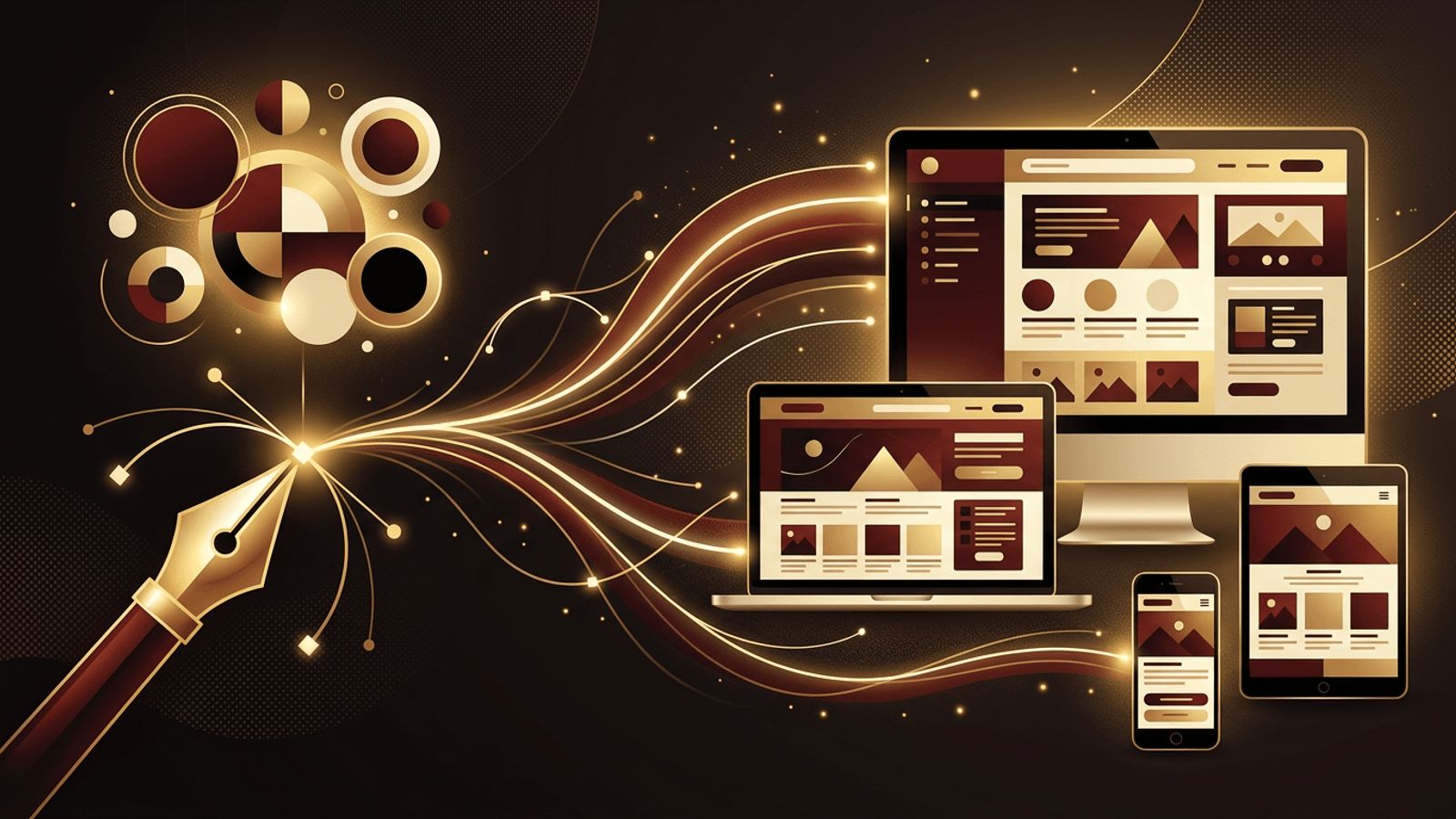
Graphic design and web design share a common foundation: creating visually compelling experiences that communicate ideas effectively. Many talented graphic designers wonder whether they can expand into web design, and many businesses wonder whether their graphic designer can design their website. The answer is yes, graphic designers can do web design, but success requires understanding how the web differs from print and static media.
AAMAX.CO: Where Visual Creativity Meets Web Expertise
Great websites need both artistic vision and technical know-how. AAMAX.CO is a full-service digital marketing company providing web design, development, and SEO services worldwide. Their team brings together creative designers and skilled developers who collaborate to build websites that are beautiful, functional, and optimized for performance. Through professional website design, they transform brand identities into engaging digital experiences that captivate visitors and support business growth.
The Skills Graphic Designers Already Have
Graphic designers bring valuable abilities to web design:
- Visual hierarchy: Knowing how to guide the viewer's eye is essential on web pages.
- Typography: Selecting and pairing fonts to create readability and personality.
- Color theory: Building harmonious palettes that reflect brand identity.
- Layout and composition: Arranging elements with balance, alignment, and whitespace.
- Branding: Maintaining consistency across all brand touchpoints.
- Design software proficiency: Familiarity with tools like Adobe Photoshop and Illustrator.
These skills form a strong foundation that gives graphic designers a head start in web design.
Key Differences Between Graphic and Web Design
While the visual principles are similar, web design introduces several unique considerations. Websites are interactive; users click, scroll, hover, and navigate, so designers must think about behavior and flow, not just appearance. Websites must also be responsive, adapting gracefully to screens ranging from small smartphones to large desktop monitors.
Performance matters on the web. Large images and heavy graphics can slow page loading, hurting user experience and search rankings. Accessibility is another critical factor; web designs must accommodate users with visual, motor, or cognitive impairments by following standards for contrast, text size, and keyboard navigation. Finally, web design must consider technical constraints and how designs will be implemented in code.
New Skills Graphic Designers Should Learn
To succeed in web design, graphic designers should develop a few new competencies. First, learn user experience (UX) principles, including user research, information architecture, wireframing, and usability testing. Second, master user interface (UI) design patterns such as navigation menus, forms, buttons, and cards. Third, become proficient in web design tools like Figma, which supports collaborative design, prototyping, and design systems.
Understanding responsive design and grid systems is essential. Learning basic HTML and CSS, even if you do not code professionally, helps you design within technical realities and communicate effectively with developers. Familiarity with web accessibility guidelines and basic SEO principles adds further value.
Benefits of Graphic Designers Moving into Web Design
Expanding into web design opens up new career opportunities and higher earning potential. Demand for skilled web and UI/UX designers remains strong as businesses invest in their digital presence. Designers who can create cohesive brand experiences across print and digital channels are especially valuable. Web design also offers the satisfaction of creating interactive experiences that users engage with directly.
Common Mistakes to Avoid
Graphic designers transitioning to web design sometimes make predictable mistakes. Designing only for desktop and neglecting mobile is a common one. Using too many custom fonts or heavy images can slow websites dramatically. Prioritizing aesthetics over usability can result in beautiful designs that confuse visitors. Ignoring accessibility, such as using low-contrast text, can exclude users and create legal risks. Being aware of these pitfalls helps designers produce better results.
Collaborating with Developers
Successful web projects depend on strong collaboration between designers and developers. Graphic designers should create organized design files, define consistent spacing and component styles, and document interactions clearly. Using design systems and shared libraries makes implementation smoother. Regular communication during the design process helps catch technical challenges early and ensures the final website matches the design vision.
Building a Web Design Portfolio
To attract web design clients or employers, graphic designers should build a portfolio featuring website projects. Start with redesign concepts for existing websites, personal projects, or work for nonprofits. Show your process, including research, wireframes, prototypes, and final designs. Highlight how your designs solve user problems and support business goals, not just how they look.
Thinking in Systems, Not Pages
One of the biggest mindset shifts for graphic designers is moving from designing individual pages to designing systems. A website may contain dozens or hundreds of pages built from the same reusable components, such as buttons, cards, navigation bars, and form fields. Creating a consistent design system with defined colors, type scales, spacing rules, and component states makes websites easier to build, maintain, and expand. Designers who think in systems deliver work that scales gracefully as a business grows.
Conclusion
Graphic designers can absolutely do web design, and their visual skills give them a strong advantage. By learning UX principles, responsive design, accessibility, and modern web tools, they can create websites that are both stunning and highly functional. For businesses seeking a seamless blend of creativity and technical excellence, collaborating with experienced professionals like AAMAX.CO ensures every website delivers lasting impact.
