

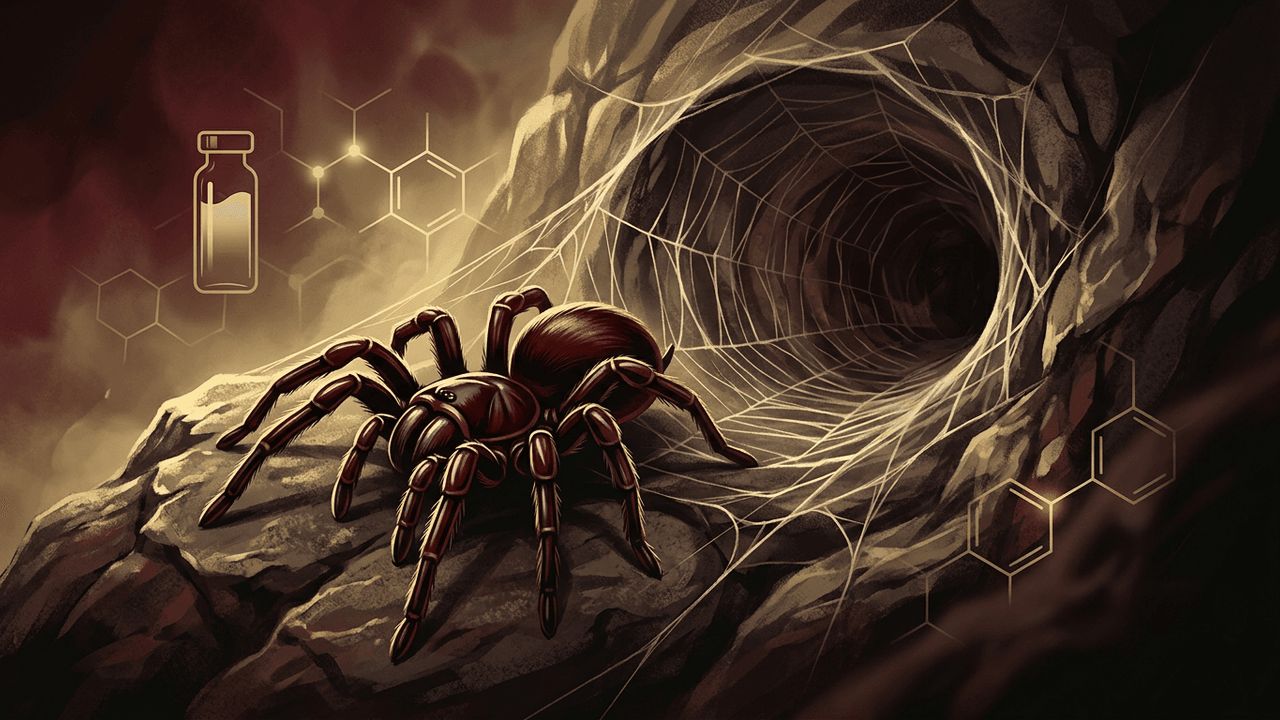
The Sydney funnel-web spider, known scientifically as Atrax robustus, has a fearsome reputation. Found in and around Sydney, Australia, it is often described as one of the deadliest spiders on Earth. Its glossy black body, large fangs, and defensive posture only add to its intimidating image. So, can a Sydney funnel-web actually kill you? Technically, yes, its venom is capable of killing a human, particularly if a bite goes untreated. However, since the development of an effective antivenom in 1981, there have been no recorded deaths from funnel-web bites. In this article, we will explore the science behind its venom, how the spider behaves, the symptoms of a bite, correct first aid, and how communities and organizations share this critical safety information online.
How AAMAX.CO Helps Wildlife and Health Organizations Share Vital Information Online
Accurate, accessible information can save lives, especially when it comes to dangerous wildlife. Reptile parks, pest control companies, medical clinics, and environmental educators all need websites that present safety guidance clearly and rank well when people search urgently. AAMAX.CO is a full-service digital marketing company offering web development, digital marketing, and SEO services worldwide. They build fast, mobile-friendly, and easy-to-navigate websites that help organizations publish educational content, first aid guides, and service details that reach the right audience at the right moment. Their SEO expertise ensures that trustworthy safety information appears prominently in search results.
Meet the Sydney Funnel-Web Spider
The Sydney funnel-web is a medium to large spider, with body lengths ranging from about 1.5 to 3.5 centimeters. It has a shiny, dark carapace, robust legs, and powerful downward-striking fangs strong enough to pierce a fingernail or soft shoe. The species gets its name from the funnel-shaped or tube-shaped silk burrows it builds in moist, sheltered places such as under rocks, logs, and garden debris.
Funnel-webs are found mainly within roughly a 100-kilometer radius of Sydney, although related species of funnel-web spiders live along much of Australia's east coast. They prefer cool, humid environments, which is why gardens and bushland suburbs often host them.
Why Is Its Venom So Dangerous?
The venom of the Sydney funnel-web contains a powerful neurotoxin called delta-hexatoxin, also known as atracotoxin. This toxin interferes with the sodium channels in nerve cells, causing nerves to fire uncontrollably. The result can be a rapid and severe reaction affecting the nervous system, heart, and lungs.
Interestingly, the venom is particularly dangerous to primates, including humans, while many other mammals such as dogs and cats are relatively resistant. Male funnel-webs are considered the most dangerous because their venom is significantly more toxic to humans than that of females. Males also wander during the warmer months in search of mates, which brings them into homes, swimming pools, garages, and shoes.
Symptoms of a Funnel-Web Bite
A funnel-web bite is usually immediately painful due to the size of the fangs. In serious cases, symptoms of envenomation can develop quickly, sometimes within 10 to 30 minutes. Common symptoms include:
- Tingling around the mouth and tongue
- Muscle twitching and spasms
- Excessive sweating, salivation, and tears
- Nausea, vomiting, and abdominal pain
- Rapid heart rate and changes in blood pressure
- Difficulty breathing and fluid in the lungs
- Confusion, agitation, or loss of consciousness
Not every bite results in severe envenomation. Some bites are "dry" or deliver only a small amount of venom. However, because severe reactions can progress rapidly, every suspected funnel-web bite should be treated as a medical emergency.
The Antivenom That Changed Everything
Before 1981, there were 13 recorded deaths from Sydney funnel-web bites in Australia. That year, scientists led by Dr. Struan Sutherland developed an antivenom using venom collected from male spiders. Since its introduction, no deaths have been recorded from funnel-web bites. Hundreds of people have been successfully treated.
The antivenom program depends on a steady supply of venom. The Australian Reptile Park famously runs a spider venom collection program and asks members of the public to safely capture funnel-webs and drop them at designated collection points. This community effort has become a remarkable example of public participation in medical science, and it relies heavily on clear online communication.
Correct First Aid for a Funnel-Web Bite
Australian health authorities recommend the pressure immobilization technique for suspected funnel-web bites. This method slows the movement of venom through the lymphatic system:
- Call emergency services immediately.
- Keep the patient calm and as still as possible.
- Apply a firm, broad pressure bandage over the bite site, then bandage the entire limb from fingers or toes upward.
- Splint the limb to keep it immobile.
- Do not wash the bite, cut it, or apply a tourniquet.
Prompt first aid combined with rapid access to hospital care and antivenom is why fatalities have been eliminated in modern times.
How to Reduce Your Risk
Most bites happen when people accidentally disturb a spider. You can reduce your risk with a few simple habits. Wear gloves when gardening and moving rocks or logs. Shake out shoes, clothes, and towels left outdoors before using them. Check swimming pools, where funnel-webs can survive underwater for many hours trapped in air bubbles. Keep garden debris away from doorways and seal gaps under doors. If you find a funnel-web, avoid handling it directly and contact a professional or follow official guidance for safe capture.
Why Reliable Online Information Matters
When someone discovers a large black spider in their home, their first instinct is often to search online. Organizations that publish accurate, well-structured information help people respond calmly and correctly. Clear headings, mobile-friendly layouts, and fast load times are essential because readers may be stressed or in a hurry. A professionally planned website design makes emergency steps easy to find, while thoughtful website development ensures the site performs reliably even during traffic spikes in peak spider season.
Conclusion
The Sydney funnel-web spider is genuinely dangerous, and its venom has the potential to kill a human. Yet thanks to an effective antivenom, proper first aid, and public awareness, no one has died from a funnel-web bite in Australia since 1981. Respecting the spider, taking simple precautions, and knowing what to do in an emergency are the keys to staying safe. For organizations dedicated to wildlife education, pest control, or public health, a clear and trustworthy online presence remains one of the most effective tools for protecting their communities.
