

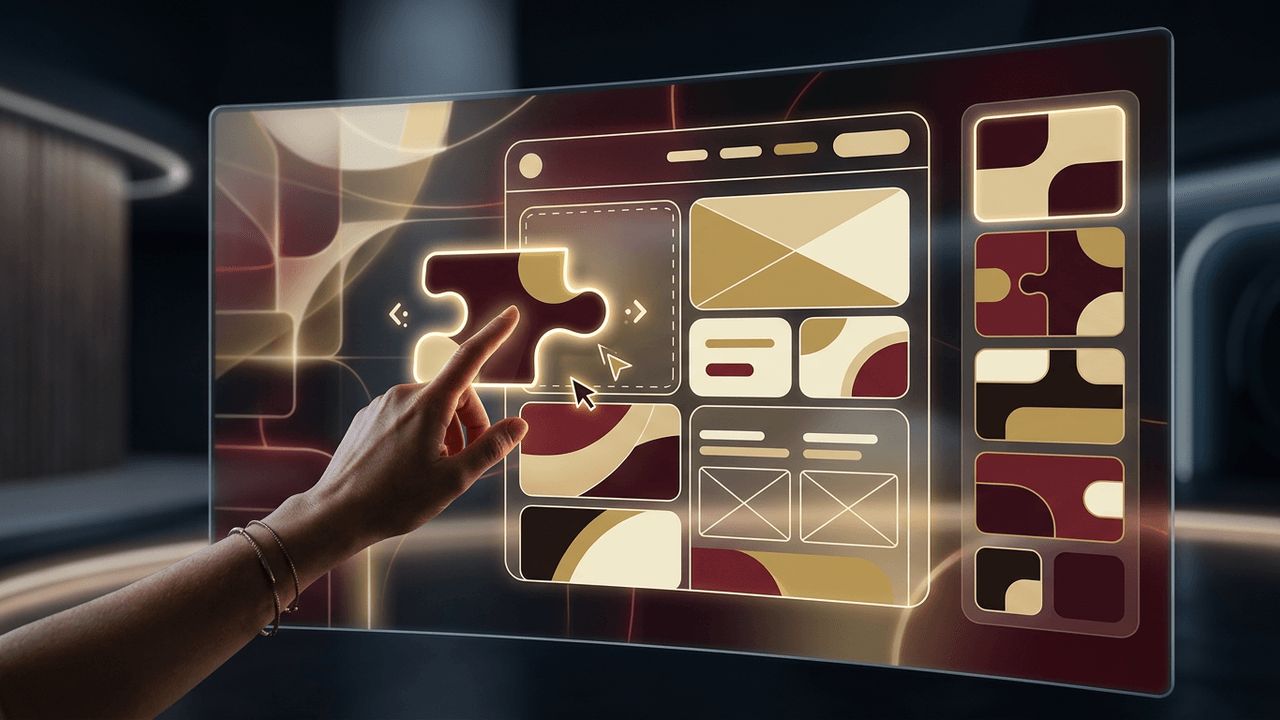
For many aspiring creatives, the idea of learning to code feels intimidating. Lines of HTML, CSS, and JavaScript can look like a foreign language, and that perception keeps talented people from pursuing a career in web design. The good news is that the industry has changed dramatically. Today, you can be a web designer without coding and still create professional, responsive, and visually stunning websites. Visual builders, design platforms, and no-code tools have opened the door for designers to focus on what they do best: crafting meaningful user experiences. In this article, we explore how no-code web design works, its benefits and limitations, and how to build a successful career without writing a single line of code.
How AAMAX.CO Supports Designers and Businesses Beyond No-Code Limits
No-code tools are powerful, but some projects eventually need custom functionality, advanced integrations, or performance tuning that visual builders cannot provide. That is where AAMAX.CO comes in. They are a full service digital marketing company offering web development, digital marketing, and SEO services worldwide. Their team can take a no-code concept and turn it into a fully custom solution, or provide expert website design for brands that want a polished, conversion-focused website without managing the technical details themselves.
What Does a Web Designer Actually Do?
Web design is fundamentally about solving visual and usability problems. A web designer decides how content is organized, how users navigate between pages, which colors and fonts communicate the brand, and how the layout adapts to phones, tablets, and desktops. These responsibilities rely on design thinking, creativity, and empathy for users rather than programming skills.
Traditionally, designers handed their mockups to developers who translated them into code. Now, many tools allow designers to publish their work directly to the web, effectively removing the coding step altogether.
Popular No-Code Tools for Web Designers
Several platforms make it possible to design and launch websites visually. Webflow is a favorite among professional designers because it offers precise control over layout, interactions, and a built-in content management system while generating clean code behind the scenes. Framer allows designers to build interactive, animated websites with an interface that feels similar to design software.
WordPress, paired with page builders such as Elementor or the native block editor, powers a massive share of the web and lets designers create flexible sites without coding. Squarespace and Wix are popular for small businesses and portfolios because they provide polished templates and simple drag-and-drop editing. Shopify serves designers who focus on online stores. Each tool has strengths, so choosing one depends on the type of clients you want to serve.
Benefits of Being a No-Code Web Designer
The biggest advantage is speed. Without the need to write and debug code, designers can move from idea to live website much faster. This allows freelancers to take on more projects and helps businesses launch quickly.
No-code design also lowers the barrier to entry. People from graphic design, marketing, photography, or even unrelated careers can transition into web design by focusing on visual and UX skills. Additionally, clients often appreciate being able to update their own content easily, which many no-code platforms support through intuitive editors.
Core Skills You Still Need
Skipping code does not mean skipping skills. Successful no-code designers master visual hierarchy, typography, color theory, spacing, and composition. They understand user experience principles such as clear navigation, readable content, and strong calls to action. Responsive design knowledge is crucial because most visitors browse on mobile devices.
Accessibility is another must-have skill. Designing with sufficient color contrast, readable font sizes, descriptive alt text, and logical heading structures ensures that everyone can use the website. Basic SEO understanding, such as proper page titles, meta descriptions, and image optimization, also adds tremendous value for clients.
Limitations of Designing Without Code
While no-code tools are impressive, they do have limits. Complex features such as custom user dashboards, advanced booking systems, unique integrations with third-party software, or heavy data processing may be difficult or impossible to build visually. Platform lock-in is another concern, as moving a website from one builder to another can require starting over.
Performance can also suffer if a site relies on too many plugins or heavy animations. In these situations, collaborating with developers or agencies that provide custom web application development becomes the most practical solution.
Does Learning a Little Code Help?
Although it is not required, understanding the basics of HTML and CSS can make you a stronger designer. Knowing how margins, padding, and layout systems work helps you design more realistic interfaces and troubleshoot issues inside visual builders. Many no-code tools are built on these same concepts, so even light knowledge improves your efficiency. Think of coding knowledge as a bonus skill rather than a requirement.
How to Build a Career as a No-Code Web Designer
Start by choosing one platform and mastering it deeply. Build several sample websites for imaginary businesses, local nonprofits, or friends to create a portfolio. Document your process in case studies that explain the problem, your design decisions, and the results.
Next, define your niche. Specializing in industries such as restaurants, real estate, coaches, or e-commerce makes marketing yourself easier. Join online communities, share your work on social platforms, and network with marketers and developers who may refer clients to you. Over time, consider offering add-on services such as maintenance, SEO setup, or content updates to create recurring income.
Final Thoughts
You can absolutely be a web designer without coding. Modern visual tools empower designers to create beautiful, responsive, and effective websites while focusing on creativity and user experience. Success depends on mastering design fundamentals, understanding your clients, and choosing the right platform. When projects grow beyond what no-code tools can handle, partnering with experienced developers ensures your designs can scale without compromise.
