

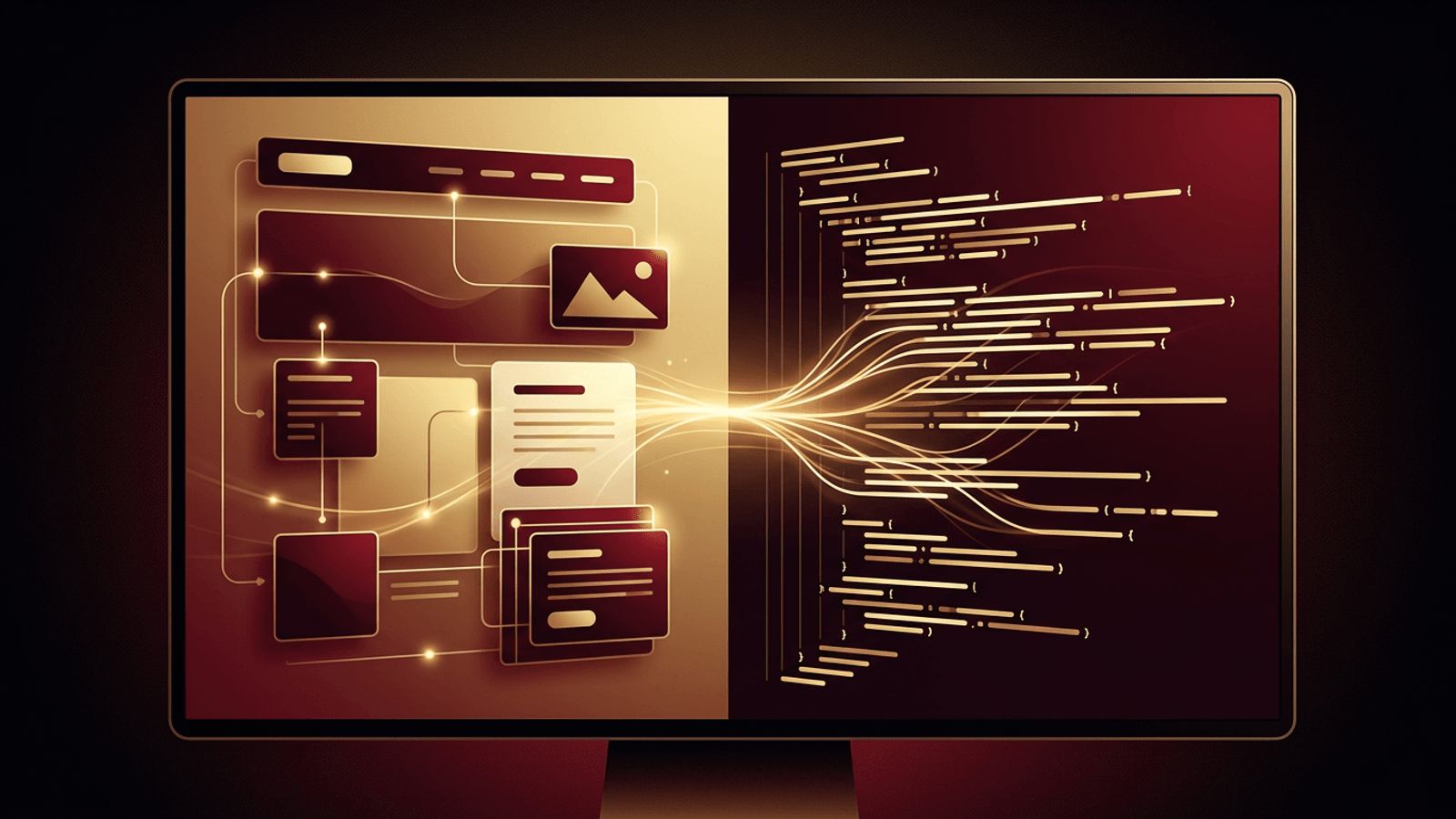
For many people who built websites in the early 2000s, Dreamweaver was the first tool they used. Its visual design view allowed users to create web pages without writing much code, while its code view helped developers fine-tune HTML and CSS. Over time, however, the web development landscape has changed dramatically. Modern websites rely on complex JavaScript frameworks, version control, automated builds, and cloud deployment. So, do web developers use Dreamweaver today? A small number still do, but the majority of professional developers have moved to modern code editors and development workflows. Let us explore why.
AAMAX.CO: Modern Development Practices for Better Websites
Using modern tools and workflows is essential for building websites that perform well today. AAMAX.CO is a full-service digital marketing company offering web development, digital marketing, and SEO services worldwide. Their developers work with current industry-standard editors, frameworks, version control, and deployment pipelines, ensuring every project is maintainable, secure, and fast. For businesses with outdated websites built on legacy tools, they can modernize the codebase, refresh the design, and improve search performance. Their approach helps companies move from old technology to a future-ready web presence.
A Brief History of Dreamweaver
Dreamweaver became popular because it made web design accessible. Its "What You See Is What You Get" (WYSIWYG) editor allowed designers to drag and drop elements onto a page, and the software generated the underlying HTML. It also offered site management tools, FTP uploading, and templates. During a time when websites were largely static pages, this all-in-one approach was extremely useful.
As the web evolved, Dreamweaver added features such as code hinting, responsive design tools, and support for newer web standards. However, the industry was shifting toward workflows that visual editors struggled to support.
Why Most Developers Moved Away From Dreamweaver
The Rise of Lightweight Code Editors
Modern code editors are fast, free or affordable, and highly customizable. They offer intelligent code completion, integrated terminals, debugging tools, and thousands of extensions. Developers can tailor them to any language or framework, making them far more flexible than older all-in-one tools.
JavaScript Frameworks and Build Tools
Today's websites are often built with component-based JavaScript frameworks, package managers, and build tools. These workflows require command-line tools and specialized integrations that visual editors were not designed to handle.
Version Control and Collaboration
Professional teams rely on version control systems to track changes, collaborate, and review code. Modern editors integrate seamlessly with these systems, supporting team-based workflows that are standard in the industry.
Cleaner Code Expectations
Visual editors have historically produced code that was harder to maintain. Developers today prioritize clean, semantic, accessible markup, which is easier to achieve when writing code directly.
Cloud Deployment
Instead of uploading files via FTP, modern websites are often deployed through automated pipelines connected to code repositories. This approach is faster, safer, and more reliable.
Who Still Uses Dreamweaver?
Dreamweaver has not disappeared completely. Some groups still find it useful:
- Designers creating simple static sites: Those who prefer visual editing for small projects.
- Educators and students: Some courses still use it to teach basic HTML and CSS concepts.
- Maintainers of legacy websites: Older sites built with Dreamweaver templates may still be updated with it.
- Email template designers: Some use visual tools for creating HTML emails.
For these use cases, Dreamweaver can still be practical, though alternatives exist for nearly every scenario.
Modern Alternatives Developers Use Instead
Developers today typically combine several tools rather than relying on a single application. A popular code editor handles writing code, browser developer tools handle debugging and testing, design tools handle visual mockups and prototypes, and version control platforms handle collaboration. For non-developers, content management systems and website builders have replaced Dreamweaver's role as an accessible way to create websites.
Should Beginners Learn Dreamweaver?
For beginners hoping to work professionally, learning a modern code editor is a better investment. Understanding HTML, CSS, and JavaScript directly builds stronger fundamentals and aligns with how the industry works. Visual editors can help beginners understand page structure, but relying on them can slow down long-term skill development.
Modernizing a Dreamweaver-Built Website
Many businesses still operate websites built years ago with Dreamweaver. These sites often struggle with mobile responsiveness, slow loading speeds, outdated security, and poor search visibility. Modernizing them can significantly improve user experience and search engine rankings. Professional website development services can rebuild these sites using modern frameworks and best practices, preserving valuable content while upgrading the technical foundation.
Final Thoughts
Do web developers use Dreamweaver? A small number still do, mainly for simple static sites, education, or legacy projects. However, the vast majority of professional developers have moved to modern code editors, frameworks, and automated workflows that better suit today's complex websites. For businesses, the tools behind a website matter because they affect performance, security, and maintainability. Choosing developers who use modern practices ensures a website that is ready for current and future needs.
