

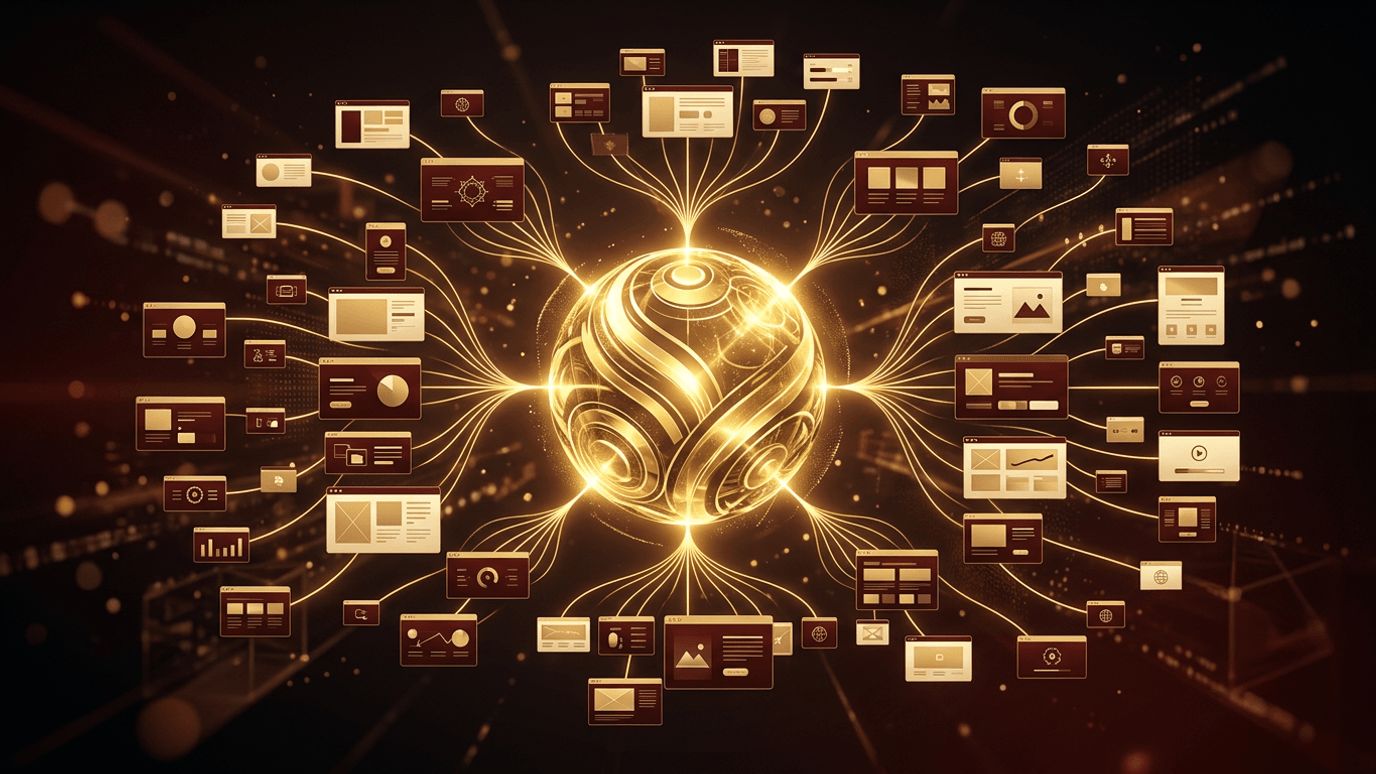
The terms "website" and "web page" are often used interchangeably, but they describe two different things. Understanding how websites and web pages are related is essential for anyone planning an online presence, managing content, or improving search engine rankings. Put simply, a website is a collection of web pages, but the relationship goes much deeper, involving structure, navigation, domains, hosting, and how search engines evaluate your content. In this article, we clarify the differences, explain how the two connect, and show why that relationship matters for your business.
How AAMAX.CO Structures Websites and Web Pages for Success
A well-planned website is more than a pile of pages; it is an organized system where every page supports the others. AAMAX.CO is a full-service digital marketing company providing web development, digital marketing, and SEO services worldwide. They specialize in planning site architecture, designing individual pages, and connecting everything with intuitive navigation and internal linking. Through their website design services, they create websites where each page has a clear purpose and contributes to the overall user journey and search performance. Businesses that partner with them gain websites that are easy to use, easy to manage, and built to grow.
What Is a Web Page?
A web page is a single document on the internet that can be displayed in a web browser. Each web page has its own unique address, known as a URL. For example, "example.com/about" and "example.com/contact" are two different web pages. A web page is built with HTML and typically styled with CSS and enhanced with JavaScript. It may contain text, images, videos, forms, and links to other pages.
What Is a Website?
A website is a group of related web pages that share a common domain name and are usually created and maintained by the same person or organization. For instance, all pages under "example.com" belong to the same website. A website typically includes a homepage, which acts as the main entry point, and a variety of interior pages such as service pages, blog posts, product listings, and contact forms.
The Book Analogy
One of the simplest ways to understand how websites and web pages are related is to think of a book. The website is the book, and each web page is a page within it. The homepage is like the cover and table of contents, guiding readers to different chapters. Navigation menus function like chapter headings, and links act like cross-references that send readers to related sections. Just as a book needs structure to make sense, a website needs organization so visitors can find what they are looking for.
Key Differences Between a Website and a Web Page
- Scope: A web page is a single document, while a website is a collection of many documents.
- Address: A web page has a specific URL, while a website is identified by its domain name.
- Purpose: A web page usually focuses on one topic or goal, while a website serves broader objectives such as representing a brand or business.
- Navigation: A web page may contain links, but a website provides an overall navigation system that connects all its pages.
How Web Pages Connect to Form a Website
Web pages become a website through three main connections:
Shared Domain and Hosting
All pages on a website live under the same domain and are typically stored on the same hosting server or platform. The domain acts as the website's identity, while hosting stores the files that make up each page.
Navigation and Menus
Navigation menus, headers, and footers appear consistently across pages, allowing visitors to move easily from one section to another. Good navigation creates a sense of cohesion and helps users understand the website's structure.
Internal Links
Internal links connect related pages within the content. For example, a blog post about web hosting might link to a service page about website development. These links help visitors discover more content and help search engines understand how pages relate to one another.
Why the Relationship Matters for SEO
Search engines evaluate both individual pages and the website as a whole. Each page can rank for specific keywords, but the overall authority and structure of the website influence how well those pages perform. A logically organized site with a clear hierarchy, consistent internal linking, and an XML sitemap helps search engines crawl and index every page efficiently. Strong pages also pass authority to other pages through links, lifting the entire site.
Planning Your Website Structure
Before building, map out your website's structure with a sitemap diagram. Start with the homepage at the top, then add main categories such as Services, About, Blog, and Contact. Under each category, list the individual pages. This planning ensures every page has a clear place in the hierarchy and that no important content is buried too deeply. A good rule is that visitors should be able to reach any page within three clicks from the homepage.
Common Types of Web Pages on a Website
- Homepage: Introduces the brand and directs visitors to key sections.
- About page: Shares the company story, mission, and team.
- Service or product pages: Describe offerings in detail and encourage conversions.
- Blog posts: Provide educational content that attracts organic traffic.
- Contact page: Makes it easy for visitors to get in touch.
- Landing pages: Focus on a single campaign or offer.
Conclusion
Websites and web pages are related in the same way a book is related to its pages. A web page is a single document with its own URL, while a website is an organized collection of pages that share a domain, navigation, and purpose. Understanding this relationship helps you plan better site structures, create more focused content, and improve your search engine performance. When every page has a clear role and connects logically to the rest of the site, both visitors and search engines benefit.
