

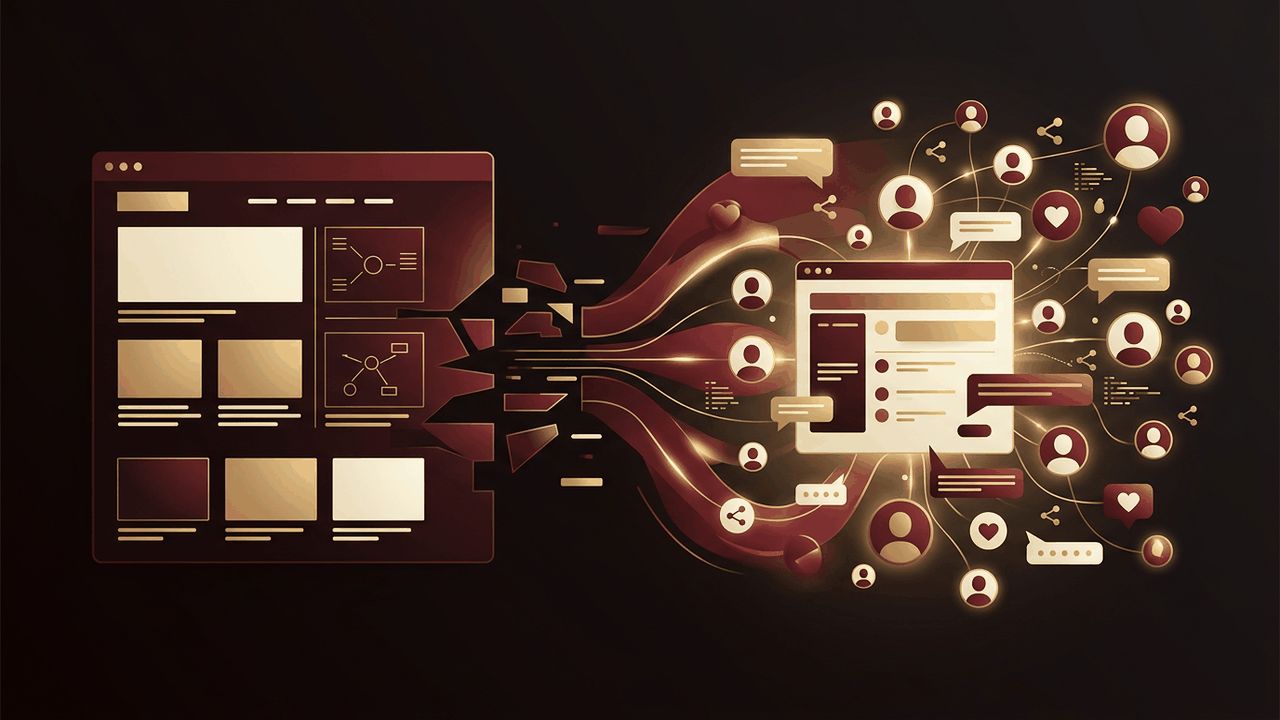
In the early days of the internet, most webpages were static documents. Visitors could read information, click links, and perhaps fill out a basic form, but interaction was minimal. Then came Web 2.0, a term popularized in the mid-2000s to describe a fundamental shift in how the web worked and how people used it. Web 2.0 turned webpages into dynamic, interactive, and social platforms where users were not just consumers of content but also creators. Understanding this shift helps explain why modern websites look and behave the way they do today.
How AAMAX.CO Builds Modern Interactive Web Experiences
The interactive web that Web 2.0 introduced is the foundation of the work done by AAMAX.CO, a full-service digital marketing company offering web development, digital marketing, and SEO services worldwide. They build engaging, dynamic websites and applications that incorporate user interaction, real-time content, and integrated marketing tools. Their approach reflects the core lessons of Web 2.0: that the most successful websites invite participation, foster community, and evolve continuously.
From Static Pages to Dynamic Experiences
Web 1.0 pages were largely static HTML files created by webmasters and updated infrequently. Web 2.0 introduced dynamic pages generated by server-side technologies and databases. Content could change based on user actions, preferences, and real-time data. Pages became living experiences rather than digital brochures.
The Rise of User-Generated Content
Perhaps the most significant change brought by Web 2.0 was the explosion of user-generated content. Platforms emerged that allowed anyone to publish blog posts, upload videos, share photos, write reviews, and contribute to collaborative encyclopedias. Webpages shifted from being authored solely by site owners to being shaped by millions of users. This democratization of publishing changed media, marketing, and communication forever.
Social Interaction Became Central
Web 2.0 gave birth to social networking. Users could create profiles, connect with friends, comment on posts, like content, and share links. Webpages became social spaces. Even traditional websites began adding comment sections, share buttons, and community forums. Interaction turned passive visitors into active participants and created new forms of online relationships.
AJAX and Richer Interfaces
A key technical driver of Web 2.0 was AJAX, a technique that allowed webpages to communicate with servers in the background without reloading the entire page. This made web interfaces feel faster and more like desktop applications. Features such as live search suggestions, interactive maps, infinite scrolling, and real-time updates became possible. Users began expecting smooth, responsive experiences from every website.
The Web as a Platform
Web 2.0 reframed the web as a platform for applications rather than just documents. Email, document editing, photo management, and project collaboration moved from desktop software into the browser. This shift laid the groundwork for cloud computing and software-as-a-service business models. Today's sophisticated online tools, built through modern web application development, are direct descendants of this transformation.
APIs and Mashups
Web 2.0 encouraged openness through application programming interfaces (APIs). Websites began sharing data and functionality with other services, enabling mashups that combined information from multiple sources. For example, a real estate site could display listings on an embedded map. This interconnectedness made webpages more useful and paved the way for today's integrated digital ecosystems.
Personalization and Tailored Content
With user accounts and data collection, websites could personalize experiences. Recommendations, customized feeds, saved preferences, and targeted content became standard. Webpages began adapting to individual users rather than presenting the same information to everyone.
Changes in Design Trends
Web 2.0 also influenced visual design. Early Web 2.0 aesthetics featured rounded corners, gradients, glossy buttons, and bold colors. More importantly, design began prioritizing usability, clarity, and user engagement. Clean layouts, prominent calls to action, and intuitive navigation became hallmarks of effective web design, principles that remain relevant today.
New Business and Marketing Models
The participatory web changed how businesses operated online. Companies shifted from one-way advertising to two-way conversations with customers. Social media marketing, influencer partnerships, content marketing, and online reviews became essential strategies. Search engine optimization grew in importance as fresh, user-generated content influenced rankings.
Challenges Introduced by Web 2.0
The transformation was not without problems. User-generated content raised concerns about misinformation, privacy, and moderation. Data collection fueled debates about surveillance and user rights. Security risks increased as websites became more complex and interactive. These challenges continue to shape how websites are built and regulated.
Web 2.0's Lasting Legacy
Although the term "Web 2.0" is used less frequently today, its principles are deeply embedded in the modern internet. Interactivity, user participation, social features, cloud applications, and API-driven integrations are now considered standard. Discussions about newer concepts, including decentralized technologies, build directly on the foundation Web 2.0 established.
Conclusion
Web 2.0 changed the way webpages are used by transforming them from static documents into dynamic, interactive, social, and personalized experiences. It empowered users to create and share content, introduced richer interfaces, turned the web into an application platform, and reshaped business and marketing. Every modern website, from social platforms to business sites, reflects the lasting impact of this pivotal shift.
