

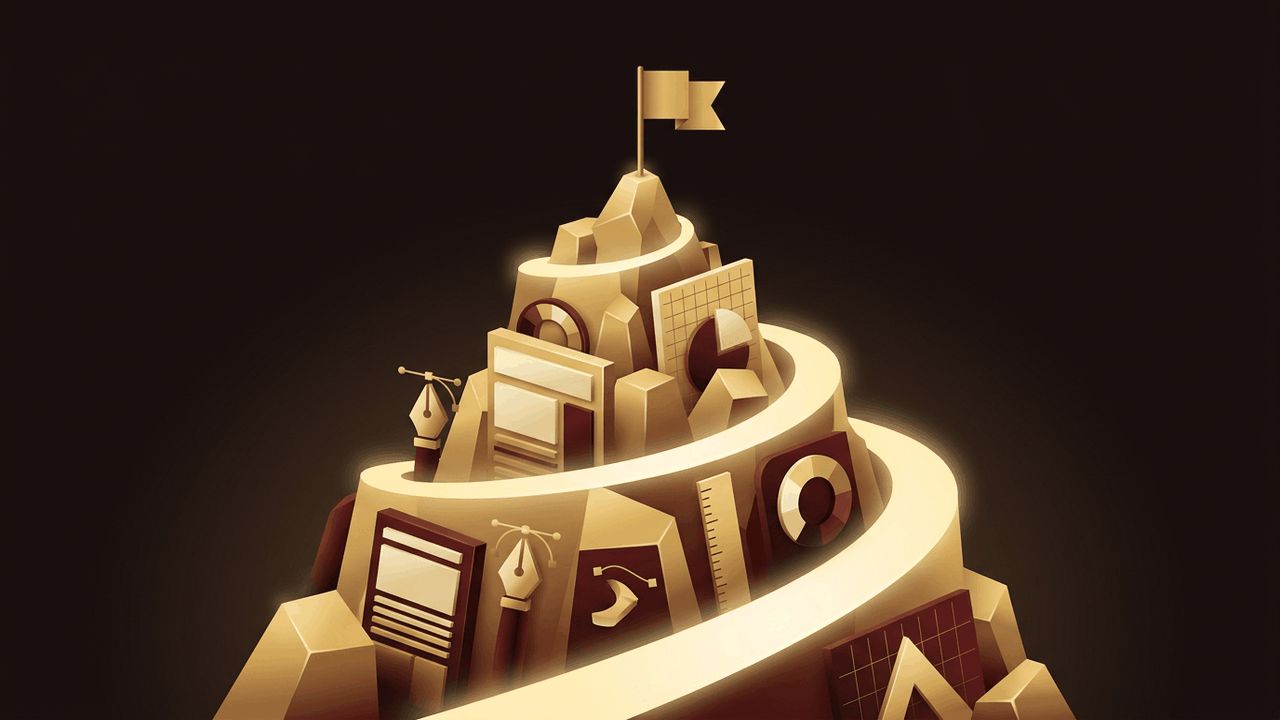
Many people are drawn to web design because it combines creativity with technology and offers flexible career options. But before diving in, a common question arises: how difficult is web design? The answer depends on your goals, background, and how deep you want to go. Learning the basics is very achievable for most people, while mastering the craft at a professional level requires sustained effort, practice, and continuous learning. This article breaks down what makes web design challenging, what makes it accessible, and how to approach the learning curve successfully.
How AAMAX.CO Makes Professional Web Design Effortless for Clients
For businesses that want expert results without the learning curve, AAMAX.CO is a full-service digital marketing company offering web development, digital marketing, and SEO services worldwide. Their experienced designers handle the complexities of user experience, visual identity, responsive layouts, and accessibility, so clients receive polished websites without needing to master design themselves. They demonstrate what years of practice and a strategic process can achieve in professional web design.
What Skills Does Web Design Require?
Web design involves a blend of creative and technical abilities:
- Visual design: understanding color, typography, layout, and composition.
- User experience: designing intuitive journeys and interfaces.
- Design tools: proficiency with software like Figma.
- Basic coding: familiarity with HTML and CSS to understand how designs are built.
- Communication: presenting ideas, receiving feedback, and collaborating with clients and developers.
- Problem-solving: balancing aesthetics, usability, business goals, and technical constraints.
The variety of skills is part of what can make web design feel challenging, but you do not need to master everything at once.
The Easy Parts of Web Design
Getting started is easier than ever. Free design tools, abundant tutorials, and design systems lower the barrier to entry. Within a few weeks, most beginners can create attractive layouts using templates and basic principles. Website builders also allow you to publish designs without writing code, which makes early experimentation rewarding.
The Challenging Parts of Web Design
Difficulty increases as you move beyond the basics. Common challenges include:
- Developing a trained eye: recognizing why one design works better than another takes time and exposure.
- Designing for many devices: layouts must adapt seamlessly from small phones to large monitors.
- Balancing creativity and usability: beautiful designs must still be easy to use.
- Accessibility: ensuring designs work for people with disabilities requires knowledge and attention to detail.
- Client expectations: translating vague requests into effective solutions can be demanding.
- Keeping up with trends: tools, standards, and user expectations change constantly.
Is Web Design Harder Than Web Development?
Web design and web development present different kinds of difficulty. Design leans on visual judgment, empathy, and communication, while development involves logic, programming, and technical problem-solving. Some people find design more intuitive, while others prefer the structured nature of coding. Many professionals develop skills in both areas, which can make them especially valuable.
How Long Does It Take to Learn Web Design?
With consistent effort, you can learn foundational principles and tools within a few months. Becoming job-ready often takes six months to a year of focused learning and practice, including building a portfolio. Reaching an advanced level, where you can lead complex projects and design systems, typically takes several years of real-world experience.
Tips to Make Learning Web Design Easier
You can reduce the difficulty by following a structured approach:
- Focus on fundamentals like hierarchy, spacing, contrast, and typography before chasing trends.
- Study well-designed websites and analyze why they work.
- Practice daily with small design exercises or challenges.
- Learn basic HTML and CSS to understand implementation constraints.
- Seek feedback from experienced designers and communities.
- Build real projects for friends, nonprofits, or local businesses.
The Role of Experience and Process
Much of what makes professional design look effortless is a refined process. Experienced designers follow structured workflows that include research, planning, wireframing, prototyping, testing, and iteration. Learning how agencies approach professional website design projects can help you adopt a process that reduces guesswork and improves results.
Mindset Matters
Like any creative discipline, web design involves trial and error. Your early designs will not be perfect, and that is normal. Embracing feedback, staying curious, and viewing mistakes as learning opportunities make the journey far less intimidating. Persistence matters more than natural talent.
Resources That Lower the Learning Curve
The right resources can make web design significantly easier to learn. Free design tools, community-created design kits, and open-source design systems let you study how professional interfaces are organized. Online courses provide structure, while design galleries offer endless inspiration. Reading usability research helps you understand why certain patterns work. Mentorship, whether formal or informal, can be especially valuable: a few honest critiques from an experienced designer often teach more than weeks of solo practice. By combining structured learning with hands-on projects and regular feedback, you can progress much faster than by relying on trial and error alone.
Conclusion
So, how difficult is web design? Getting started is relatively easy, thanks to accessible tools and resources. Becoming a skilled professional is more challenging, requiring a trained eye, user empathy, technical awareness, and strong communication skills. With a structured learning approach, consistent practice, and a growth mindset, web design is a highly achievable and rewarding skill to master.
