

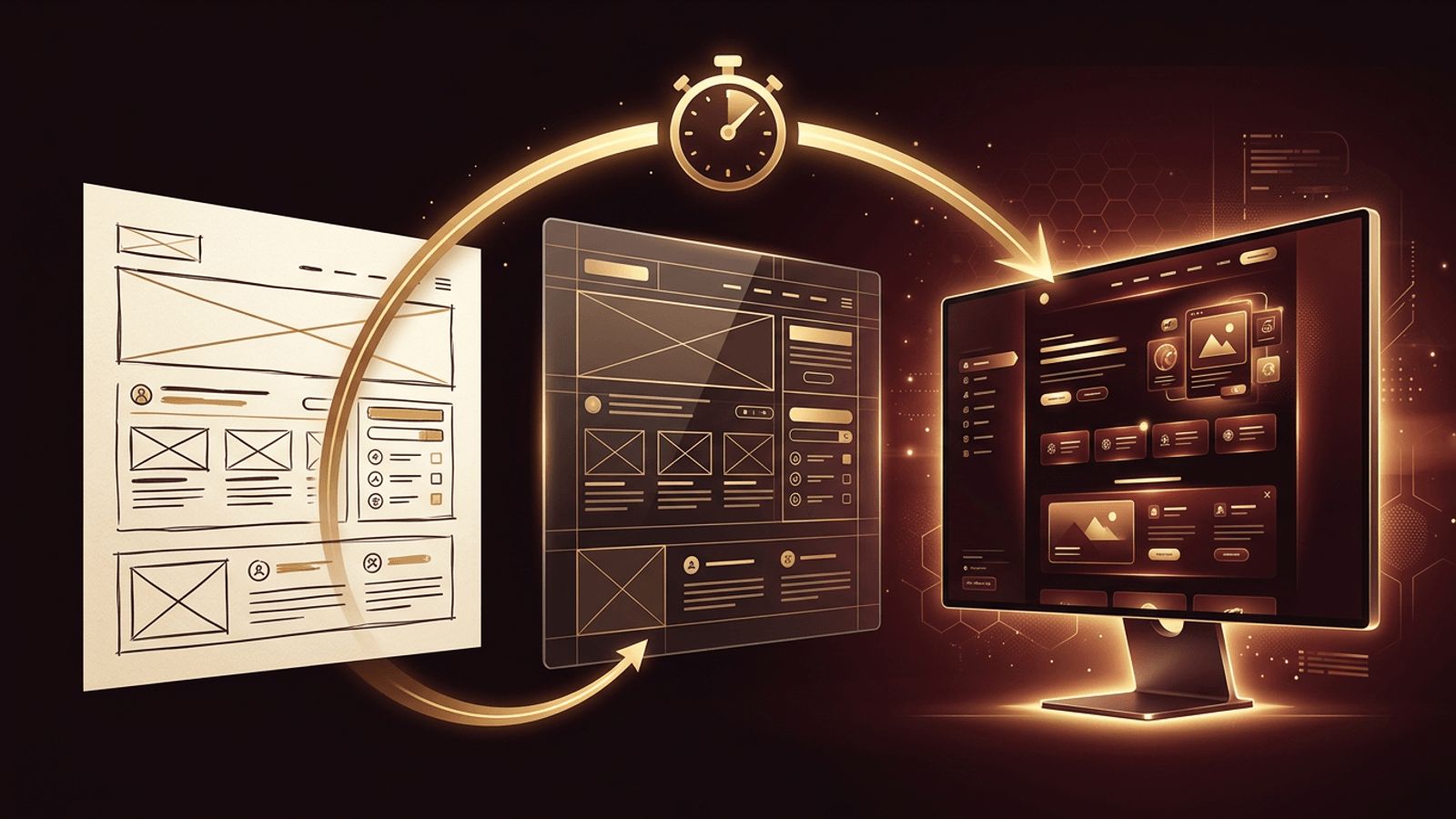
When businesses decide to launch a new website or redesign an existing one, timing is often a top concern. A website might need to be ready for a product launch, a marketing campaign, a seasonal sales period, or an investor presentation. Understanding how long web design takes helps you plan effectively and set realistic expectations with your team and stakeholders. While a simple website can be designed in just a few weeks, larger and more complex sites can take several months. In this guide, we break down the web design process and the factors that influence its duration.
How AAMAX.CO Streamlines the Web Design Process
Working with an experienced agency can significantly reduce delays and improve results. AAMAX.CO is a full service digital marketing company that provides web development, digital marketing, and SEO services worldwide. Their website design process is built around clear communication, efficient workflows, and proven methodologies. They guide clients through discovery, design, development, and launch, ensuring each stage moves forward smoothly. Because they also offer website development and SEO, their designs are built to perform from launch day onward.
Average Web Design Timelines
Web design timelines vary based on project size and complexity. Here are common estimates:
- Simple landing page (1 to 3 weeks): A single-page site focused on one offer or message.
- Small business website (4 to 8 weeks): A site with five to fifteen pages, such as home, about, services, and contact.
- E-commerce website (8 to 16 weeks): An online store with product catalogs, carts, and payment integration.
- Large corporate or custom website (3 to 6+ months): A complex site with custom functionality, integrations, and extensive content.
Stage One: Discovery and Research (1 to 2 Weeks)
The discovery phase helps the design team understand your business, audience, competitors, and goals. Designers ask questions about your brand, target customers, desired features, and success metrics. They may review analytics from your current site and research competitor websites to identify opportunities. The outcome is a clear project brief and sitemap that guide every subsequent decision. A thorough discovery phase prevents misunderstandings and costly revisions later.
Stage Two: Wireframing and Information Architecture (1 to 2 Weeks)
Wireframes are simplified layouts that show the structure of each page without detailed visual styling. They help define where content, images, navigation, and calls to action will appear. Information architecture ensures that content is organized logically so visitors can find what they need easily. Reviewing wireframes early allows stakeholders to approve the structure before investing time in visual design.
Stage Three: Visual Design and Mockups (2 to 4 Weeks)
During visual design, designers apply your branding, colors, typography, imagery, and graphic elements to the wireframes. They typically design the homepage first, gather feedback, and then design interior page templates. Mockups are created for desktop, tablet, and mobile views to ensure responsive design. This stage often involves a few rounds of revisions. Clear, consolidated feedback helps keep this phase moving efficiently.
Stage Four: Development and Content Integration (2 to 8 Weeks)
Once designs are approved, developers turn them into a functional website. They build responsive layouts, implement interactive features, set up content management systems, and integrate third-party tools such as forms, analytics, and payment gateways. Content, including text, images, and videos, is added to each page. Content delays are among the most common reasons web projects run late, so preparing content early is highly recommended.
Stage Five: Testing and Launch (1 to 2 Weeks)
Before launch, the website is tested across browsers and devices to ensure it works correctly and looks consistent. Testers check links, forms, loading speed, accessibility, and SEO basics. Any bugs or issues are fixed before going live. On launch day, the site is moved to the live server, domains are configured, and analytics are verified. Post-launch monitoring ensures everything runs smoothly.
Factors That Affect Web Design Timelines
Several factors can speed up or slow down your project. The number of pages and templates directly affects design and development time. Custom features, animations, and integrations add complexity. The speed and clarity of client feedback have a major influence on progress. Content readiness is critical, as missing copy or images can stall development. Finally, the experience and capacity of your design team determine how efficiently the project moves forward.
Tips to Keep Your Web Design Project on Track
To avoid delays, define your goals and requirements clearly before the project begins. Prepare your content, branding assets, and access credentials early. Designate one decision-maker to provide consolidated feedback. Respond to review requests promptly. Avoid adding new features mid-project unless they are essential, and save nice-to-have features for a later phase. Maintaining open communication with your design team helps resolve issues quickly.
Conclusion
Web design can take anywhere from one to three weeks for a simple landing page to several months for a large custom website. Most small business websites are completed within four to eight weeks. By understanding the design process, preparing content in advance, and working with an experienced team, you can launch a professional website on schedule that supports your business goals.
