

Introduction
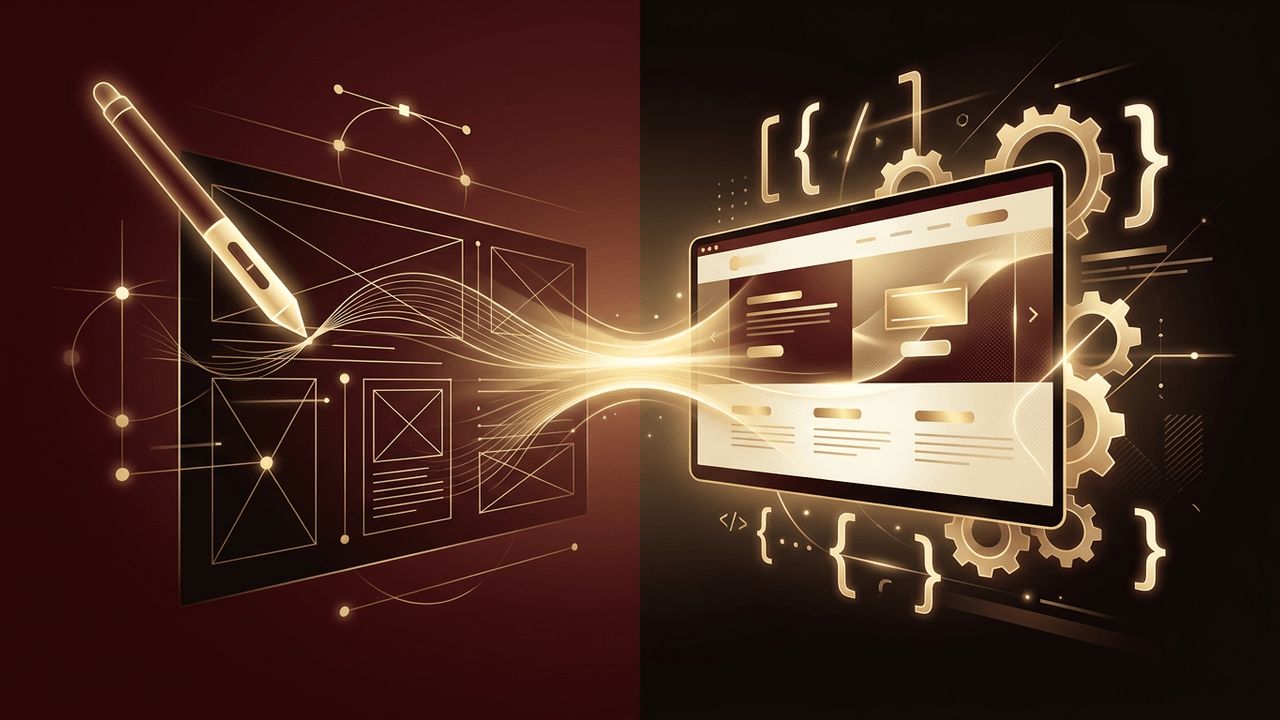
Web design and web development are often treated as separate disciplines, but professionals who master both are in high demand. A web designer and developer can plan the user experience, create the visual design, and then build a fully functional website. This combination allows for faster project delivery, smoother collaboration, and websites where design intent is faithfully preserved in code. Whether you are a designer learning to code or a developer improving your design sense, this guide explains how to become a skilled hybrid professional.
AAMAX.CO: Design and Development Under One Roof
Businesses benefit when design and development work seamlessly together. AAMAX.CO is a full service digital marketing company offering web development, digital marketing, and SEO services worldwide. Their integrated teams handle everything from concept and visual identity to coding, testing, and launch. Companies that need both creative website design and robust website development rely on them for cohesive results that look great and perform reliably.
Why Combine Design and Development?
Hybrid professionals offer unique advantages. They understand technical constraints while designing, which leads to realistic and efficient layouts. They can prototype ideas directly in code, test interactions quickly, and make design adjustments during development without lengthy handoffs. For freelancers and small agencies, offering both services increases project value and simplifies client relationships.
Building Your Design Skills
Strong design skills ensure your websites are attractive and user-friendly. Focus on:
- Visual fundamentals: typography, color, layout, hierarchy, and white space.
- User experience: user research, personas, wireframes, and usability testing.
- Responsive design: creating layouts that adapt to all screen sizes.
- Accessibility: designing for users with diverse abilities.
- Design tools: Figma for interface design and prototyping.
Study well-designed websites and design systems to understand how professionals solve common problems.
Building Your Development Skills
Development skills bring your designs to life. Start with HTML for structure and CSS for styling, including Flexbox, Grid, and responsive techniques. Learn JavaScript to add interactivity, then explore a modern framework such as React or Vue. Tailwind CSS is especially popular among designer-developers because it allows rapid styling directly in markup. Learn Git for version control and understand how to deploy websites to hosting platforms.
Learn Content Management Systems
Many clients need websites they can update themselves. Learning a content management system such as WordPress, Webflow, or a headless CMS like Sanity or Contentful allows you to build editable websites. Understanding how to create custom themes, templates, and content models expands the types of projects you can handle.
Develop a Unified Workflow
Hybrid professionals benefit from a streamlined process:
- Discovery: understand goals, audience, and requirements.
- Planning: create sitemaps and wireframes.
- Design: develop visual mockups and component libraries in Figma.
- Development: build reusable components that match the design system.
- Testing: check responsiveness, accessibility, performance, and browser compatibility.
- Launch and support: deploy, monitor, and maintain the website.
Building design and code around shared components keeps everything consistent and efficient.
Focus on Performance and SEO
As both designer and developer, you control factors that affect speed and search visibility. Optimize images, use efficient fonts, minimize unnecessary scripts, and structure content with semantic HTML and clear headings. Fast, well-structured websites rank higher and provide better user experiences.
Build a Portfolio That Shows Both Skills
Your portfolio should demonstrate design thinking and technical execution. Include case studies that show research, wireframes, visual designs, and the final coded website. Link to live sites and code repositories. Highlight how your combined skills led to better outcomes, such as faster delivery or improved conversion rates.
Market Your Hybrid Expertise
Position yourself clearly as a designer and developer who delivers complete websites. Target clients who value a single point of contact, such as small businesses, startups, and marketing teams. Share your work on LinkedIn, Dribbble, and GitHub, and write about your process. Offering packages that include design, development, and maintenance makes it easy for clients to hire you.
Avoid Common Challenges
Balancing two disciplines can be demanding. Avoid spreading yourself too thin by focusing on a core set of tools. Allocate time for both design learning and development practice. Know when to collaborate with specialists for complex back end systems or advanced branding work.
Keep Learning
Both design and development evolve rapidly. Follow industry blogs, take courses, experiment with new tools, and participate in communities. Explore emerging trends such as AI-assisted design and development, motion design, and modern CSS features to keep your skills current.
Tools That Bridge Design and Code
Several tools make the hybrid workflow smoother. Figma Dev Mode exposes measurements, tokens, and CSS snippets directly from designs. Storybook lets you document and test components in isolation, mirroring your design library. Tailwind CSS and design tokens keep spacing, colors, and typography consistent between mockups and code. Visual builders such as Webflow and Framer allow rapid prototyping that can ship directly to production. Choosing tools that connect both disciplines saves time and ensures the final website matches the original design vision.
Conclusion
Becoming a web designer and developer is a powerful career choice. Build strong design fundamentals, master core development technologies, and learn content management systems. Create a unified workflow, prioritize performance and SEO, and build a portfolio that showcases both skill sets. Market your hybrid expertise confidently, and keep learning as the industry evolves. With these skills, you can create complete, high-quality websites from concept to launch.
