

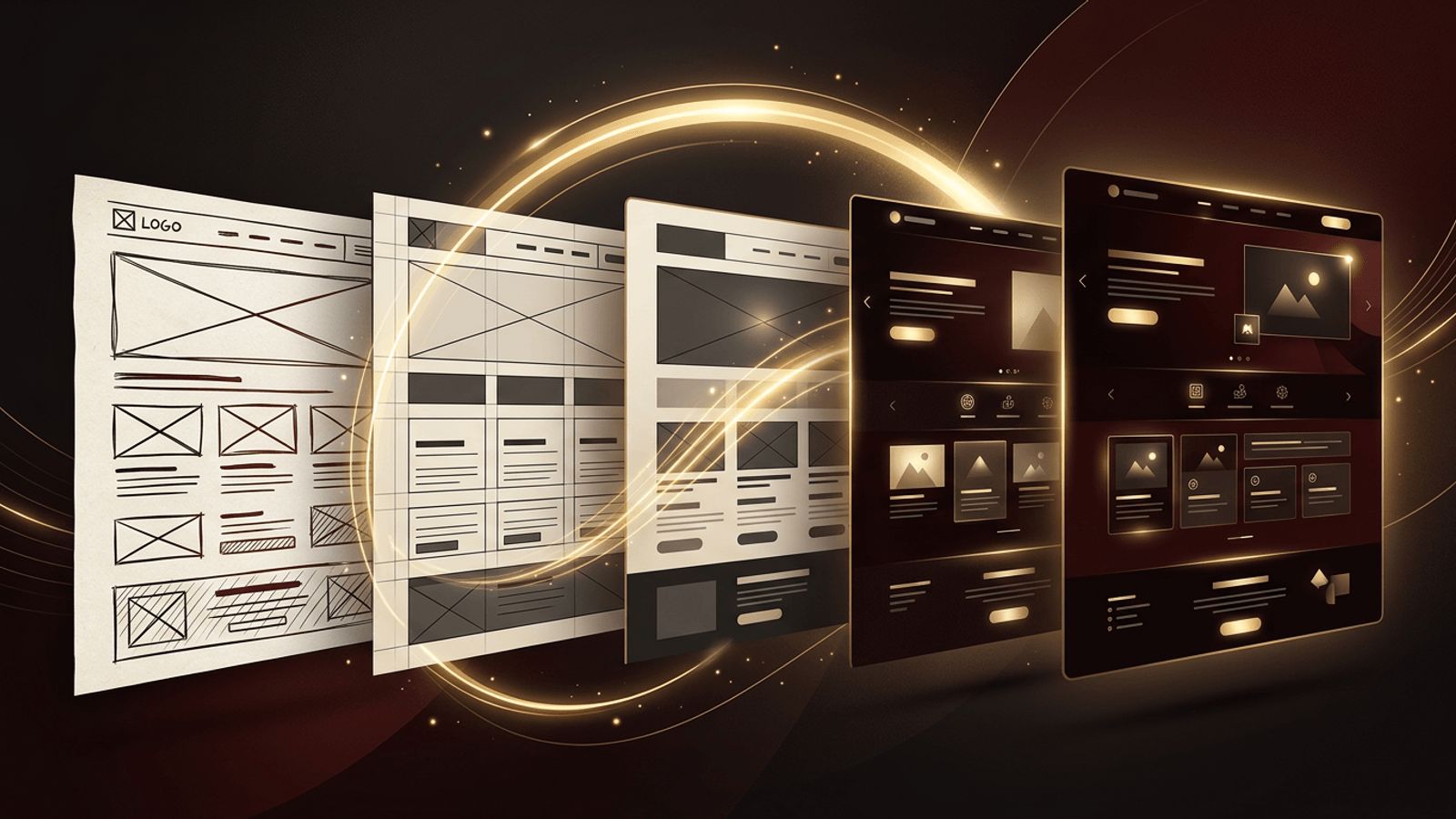
Whether you have been designing websites for a few months or many years, there is always room to grow. The best designers never stop learning, experimenting, and refining their craft. Becoming a better web designer is not about chasing every new trend; it is about deepening your understanding of users, sharpening your visual skills, improving your process, and delivering more meaningful results. This guide shares practical, actionable strategies to help you level up your design work and stand out in a competitive industry.
How AAMAX.CO Elevates Web Design for Businesses
Learning from experienced professionals is one of the fastest ways to improve. AAMAX.CO is a full service digital marketing company offering web development, digital marketing, and SEO services worldwide. Their design team combines research, branding, and conversion-focused strategies to craft websites that look stunning and drive results. Businesses that rely on their website design services benefit from a thoughtful process that balances creativity with measurable outcomes. Designers seeking improvement can observe how teams like them integrate design with marketing and development for maximum impact.
Audit Your Current Work Honestly
Improvement starts with self-awareness. Review your past projects and identify recurring weaknesses. Are your layouts cluttered? Is your typography inconsistent? Do your designs struggle on mobile devices? Compare your work with designs you admire and note specific differences. Writing down areas for improvement gives you a clear focus for growth.
Strengthen Your Fundamentals
Even experienced designers benefit from revisiting the basics. Study visual hierarchy, contrast, alignment, spacing, and typography in depth. Practice creating layouts using strict grids. Build type scales and spacing systems that bring consistency to your designs. Many design problems are solved simply by applying fundamentals more carefully.
Develop Deeper UX Skills
Better web designers understand how people think and behave. Learn user research methods such as interviews, surveys, and usability tests. Study information architecture to organize content logically. Explore interaction design patterns and microinteractions that provide feedback and delight. Read about cognitive psychology principles like Hick's Law and Fitts's Law, which explain how users make decisions and interact with interfaces.
Practice Through Deliberate Exercises
Deliberate practice targets specific skills rather than repeating what you already know. Try exercises like:
- Redesigning a poorly designed website and explaining your improvements.
- Creating the same layout in several different visual styles.
- Designing with constraints, such as using only one typeface and two colors.
- Participating in daily UI challenges to build consistency.
- Recreating award-winning websites pixel for pixel to understand their decisions.
Short, focused practice sessions build skills faster than occasional large projects.
Seek Feedback Regularly
Feedback reveals blind spots you cannot see yourself. Share work with peers, mentors, and online design communities. Ask specific questions, such as whether the call to action is clear or whether the layout feels balanced. Learn to separate personal feelings from professional critique. Feedback from real users is especially valuable because it shows how your designs perform in practice.
Learn Basic Front-End Development
Understanding HTML and CSS transforms the way you design. You will know what is easy or complex to build, how responsive layouts behave, and how design decisions affect performance. This knowledge improves collaboration with developers and leads to designs that translate faithfully into finished websites. Some designers even build their own prototypes in code, enabling more realistic testing.
Build and Use Design Systems
Design systems bring consistency and efficiency. Create reusable components, define color and typography tokens, and document usage guidelines. Working within a system helps you think more structurally and prevents inconsistencies across pages. It also speeds up your workflow, giving you more time to focus on creative and strategic challenges.
Focus on Accessibility and Performance
Better designers design for everyone. Check color contrast, use readable font sizes, provide clear focus states, and avoid relying solely on color to convey meaning. Consider performance by optimizing images and avoiding unnecessarily heavy visual effects. Accessible, fast websites deliver better experiences and rank higher in search engines.
Stay Inspired and Informed
Inspiration fuels creativity. Explore design galleries, follow respected designers, read books on design and psychology, and study fields like architecture and fashion. Stay informed about evolving tools and techniques, including AI-assisted design workflows, while remembering that strong fundamentals matter most.
Measure the Results of Your Designs
Great design achieves goals. Work with clients or teams to track metrics such as conversion rates, time on page, and bounce rates. Use A/B testing to compare design variations. Measuring results helps you understand what works and builds a portfolio backed by real impact.
Conclusion
Becoming a better web designer is a continuous process of reflection, learning, and practice. Audit your work, strengthen fundamentals, deepen UX knowledge, and practice deliberately. Seek feedback, learn front-end basics, adopt design systems, and design inclusively. Stay inspired and measure your results. By committing to these habits, you will steadily create websites that are more beautiful, usable, and effective.
