

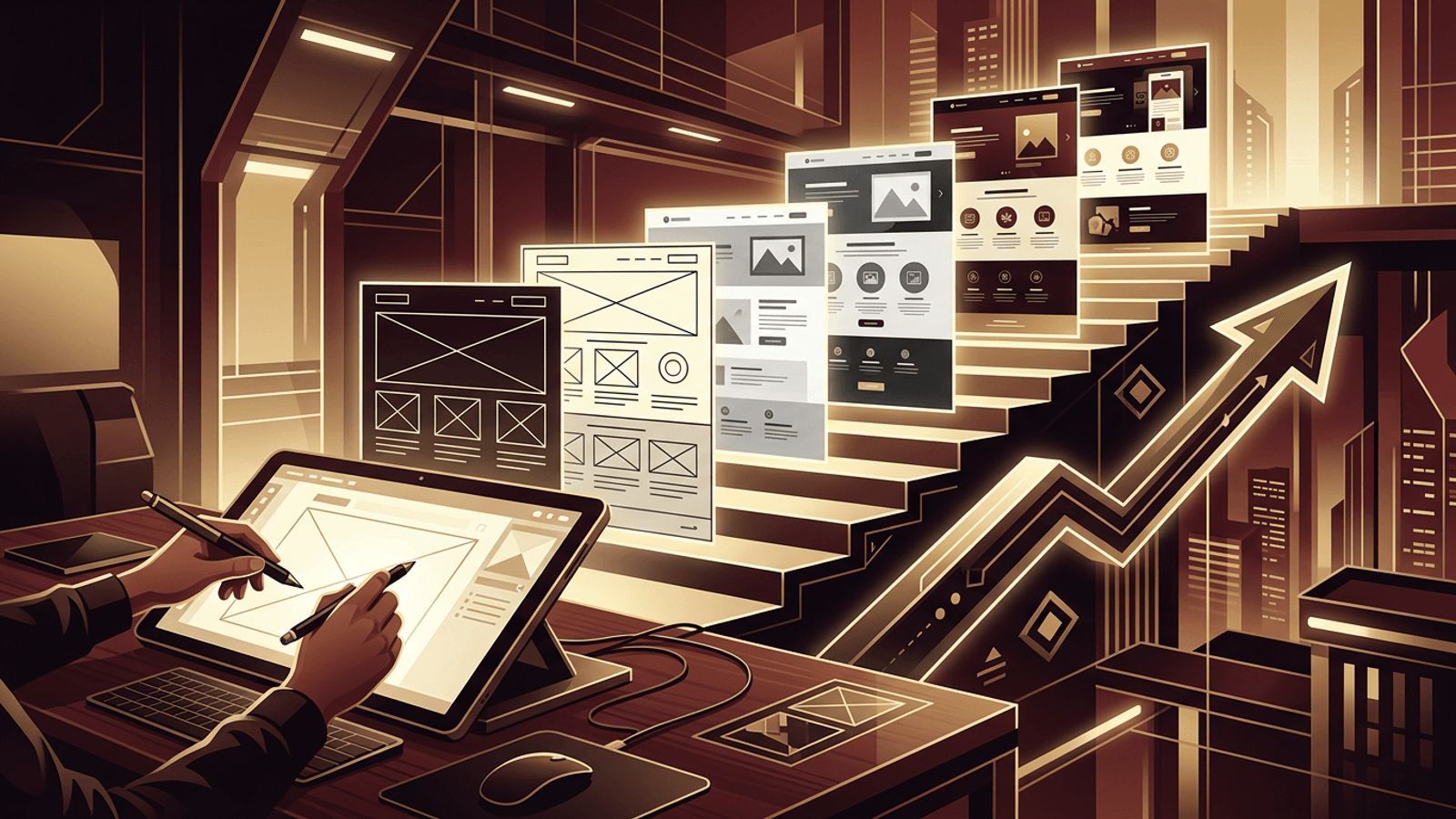
Every aspiring web designer eventually faces the same frustrating loop: companies want experience, but you cannot get experience without someone giving you a chance. The good news is that web design is one of the most accessible creative fields to break into, because your work can be seen, tested, and shared online. You do not need a corporate job to prove your skills. In this guide, we explore proven ways to get web design experience, build a convincing portfolio, and position yourself for paid opportunities.
Learning From the Professionals at AAMAX.CO
Studying how established agencies approach projects is a great way to understand what real-world design work looks like. AAMAX.CO is a full service digital marketing company providing web development, digital marketing, and SEO services worldwide. Their team handles everything from brand-aligned layouts to conversion-focused landing pages, blending creativity with strategy. For businesses that need polished, professional results without the learning curve, they offer end-to-end design and development so owners can focus on growth while experienced specialists manage the digital side.
Master the Fundamentals First
Experience is most valuable when it is built on solid fundamentals. Learn the principles of layout, typography, color theory, visual hierarchy, and spacing. Understand user experience basics, including how people scan pages, what makes navigation intuitive, and why accessibility matters. Get comfortable with design tools such as Figma, Adobe XD, or Sketch, and learn enough HTML and CSS to understand how your designs become real websites. Designers who understand development constraints produce more practical work and communicate better with developers.
Create Personal Projects
Personal projects are the fastest way to start building experience. Design a website for a hobby, a fictional business, or a cause you care about. Treat each project as if it were for a real client: define the audience, set goals, create wireframes, and produce final mockups. Then build it, or partner with a developer friend to bring it to life. Personal projects let you explore styles and showcase your creativity without client restrictions.
Redesign Existing Websites
Pick a few websites with obvious design problems, such as a local restaurant with a confusing menu page or a nonprofit with cluttered navigation. Redesign them and document your reasoning. Explain what was wrong, how you improved it, and why your solution works better for users. These case studies demonstrate critical thinking, which employers and clients value more than pretty visuals alone. Just be clear in your portfolio that these are unsolicited concept redesigns.
Volunteer for Nonprofits and Community Groups
Many nonprofits, clubs, schools, and religious organizations need websites but lack budgets. Offering your services for free or at a reduced rate gives you real clients, real constraints, and real feedback. You will learn how to gather requirements, manage revisions, and meet deadlines. These projects also give you testimonials and live links to include in your portfolio, which significantly boosts credibility.
Help Friends, Family, and Local Businesses
Your personal network is full of potential first clients. A cousin starting a bakery, a friend launching a photography business, or a neighbor who runs a repair shop might all need a website. Offer a fair starter rate and deliver exceptional service. Word-of-mouth referrals from satisfied clients often lead to your next paid project.
Participate in Design Challenges
Online design challenges and communities provide prompts that push your skills. Daily UI challenges, landing page contests, and community critique groups help you practice consistently and receive feedback from other designers. Sharing your work publicly on platforms like Dribbble, Behance, and LinkedIn also helps you get noticed by recruiters and potential clients.
Start Freelancing on Small Projects
Freelance marketplaces can be competitive, but small projects such as landing page designs, banner graphics, or website tweaks are a realistic entry point. Write thoughtful proposals that address the client's specific needs rather than sending generic messages. Deliver on time, communicate clearly, and ask for reviews. Each positive review builds your reputation and helps you win larger projects over time.
Seek Internships and Apprenticeships
Design agencies, marketing firms, and startups often offer internships or junior roles. These positions provide mentorship, exposure to professional workflows, and experience collaborating with developers, copywriters, and strategists. Even a short internship teaches you how agencies handle client feedback, brand guidelines, and project management tools. Reach out directly to agencies whose work you admire, even if they do not advertise openings.
Collaborate With Developers
Partnering with developers on side projects is mutually beneficial. You provide the design, they handle the code, and both of you gain portfolio pieces. Working alongside developers teaches you about responsive behavior, performance, and technical feasibility. You will also gain insight into how professional website design translates into functioning, production-ready sites.
Build a Strong Portfolio
All this experience means little if you cannot present it well. Build a clean, fast portfolio website that showcases your best five to eight projects. For each one, include the challenge, your process, your role, and the outcome. Include wireframes and sketches to show your thinking, not just final visuals. Make sure the portfolio itself demonstrates your design skills, since it is often the first project a client will judge.
Keep Learning and Iterating
Web design trends and tools evolve constantly. Stay current by following design blogs, taking courses, and experimenting with new techniques such as motion design, design systems, and accessibility-first approaches. Revisit old projects and improve them as your skills grow. Continuous learning shows clients and employers that you are committed to the craft.
Final Thoughts
Learning how to get web design experience is about taking initiative. Start with personal projects and redesigns, then move to volunteer work, freelance gigs, internships, and collaborations. Document everything in a thoughtful portfolio, seek feedback, and keep refining your skills. Before long, the experience gap closes, and you will have a body of work that speaks for itself and opens doors to the career you want.
