

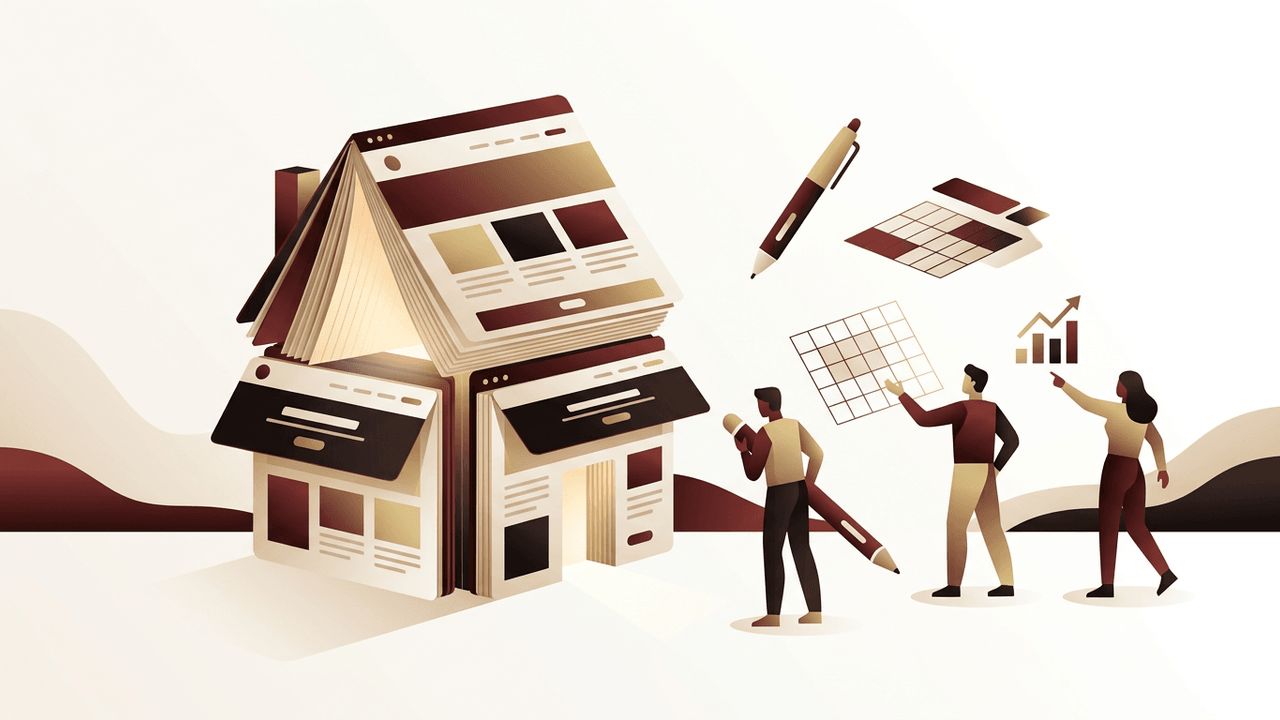
Not every web design company needs to be a large agency with dozens of employees. Many of the most successful studios are small, focused teams that deliver exceptional work for a select group of clients. A small web design business can offer personal service, faster communication, and creative flexibility that larger firms struggle to match. It also allows you to keep overhead low and maintain control over the quality of every project. Whether you are a solo designer looking to grow or a small team ready to launch a studio, this guide explains how to start a small web design business that thrives.
AAMAX.CO: A Trusted Partner for Web Design and Development
Small studios often benefit from strategic partnerships that extend their capabilities. AAMAX.CO is a full-service digital marketing company offering web development, digital marketing, and SEO services worldwide. They can support small design businesses by handling complex development, search optimization, and digital marketing campaigns that clients often request after a new site launches. Their experience delivering complete digital solutions helps small teams offer more value without hiring additional staff. Business owners who need a professional website quickly can also work with them directly and benefit from a structured, results-focused process.
Write a Simple Business Plan
A business plan does not need to be a lengthy document. It should outline who your ideal clients are, what services you offer, how you will price them, how you will find clients, and what your financial goals look like for the first year. This clarity keeps you focused and makes it easier to make decisions when opportunities arise.
Include a basic budget covering software subscriptions, hardware, hosting, insurance, marketing, and professional services such as accounting. Knowing your monthly costs helps you set realistic revenue targets.
Decide on Your Core Services
Small businesses succeed by doing a few things exceptionally well. Choose a core set of services such as custom website design, website redesigns, landing pages, and maintenance plans. You might also offer branding, copywriting, or basic SEO setup if you have those skills on your team.
Avoid offering everything at once. A focused service menu makes your marketing clearer, simplifies your operations, and allows you to build templates and processes that increase efficiency.
Keep Overhead Low
One of the biggest advantages of a small business is flexibility. You can work remotely or from a shared coworking space instead of leasing an expensive office. Use cloud-based tools for design, project management, file sharing, and accounting. Hire freelancers or contractors for specialized tasks rather than adding full-time salaries before revenue supports them.
Low overhead means you can be selective about the projects you accept, weather slow months without stress, and invest profits back into growth.
Establish Your Brand and Website
Your studio's brand should reflect the quality and style of work you deliver. Develop a memorable name, a clean logo, and a consistent visual identity. Your website should showcase your best projects, explain your process, highlight client testimonials, and make it easy for prospects to get in touch.
Because you are selling web design, your own site must be fast, responsive, and beautifully designed. It is often the deciding factor when prospects compare you to competitors.
Target Local and Niche Markets
Small web design businesses often find great success serving local companies. Restaurants, dental offices, law firms, contractors, and retailers in your area need professional websites and value working with someone they can meet in person. Join local business associations, attend networking events, and partner with complementary service providers such as photographers and printers.
Alternatively, focus on a specific industry nationwide or globally. Becoming known as the go-to studio for a niche allows you to build industry-specific expertise and attract clients through targeted content and referrals.
Create a Smooth Client Experience
Exceptional client experience turns customers into advocates. Start every project with a structured onboarding process that collects goals, brand assets, content, and access details. Set clear timelines, communicate regularly, and present designs with explanations that connect choices to the client's objectives. After launch, provide training so clients can update their content confidently.
Simple touches such as a welcome guide, scheduled check-ins, and a post-launch review meeting make clients feel valued and increase the chances they will refer you to others.
Build Recurring Revenue Streams
Project income can be unpredictable. Recurring services stabilize your cash flow. Offer monthly maintenance plans that include updates, backups, security monitoring, and small content changes. You can also provide hosting, performance optimization, and ongoing design support for marketing campaigns.
Even a modest number of retainer clients can cover your fixed costs, which allows you to grow with confidence.
Plan for Sustainable Growth
As demand increases, refine your pricing, document your processes, and consider hiring your first team member. Track metrics such as average project value, profit margins, and lead sources so you know where to invest. Growth should be intentional, preserving the personal service and quality that made your small business successful in the first place.
Conclusion
Starting a small web design business is an achievable goal for any skilled designer with a clear plan and commitment to excellent service. By defining focused services, keeping overhead low, building a strong brand, targeting the right markets, and creating recurring revenue, you can build a studio that is both profitable and enjoyable to run. Stay close to your clients, keep refining your craft, and your small business can earn a big reputation.
