

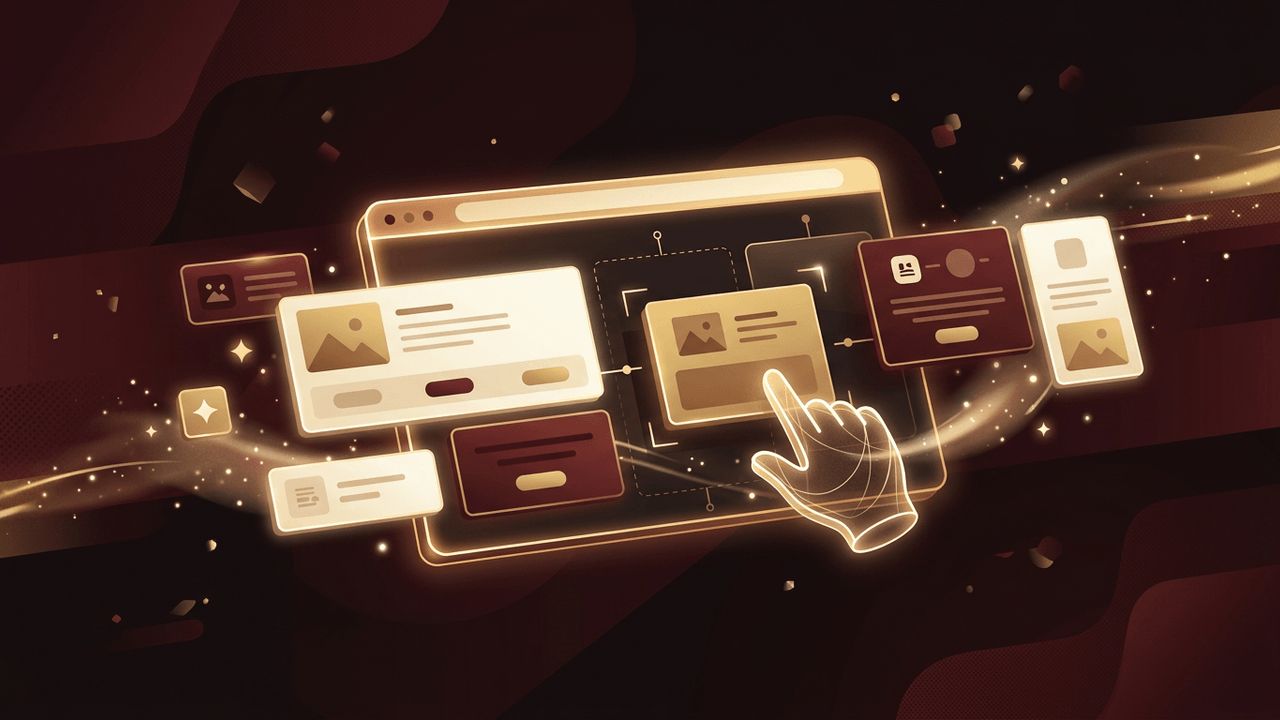
If you are starting a small business, launching a personal portfolio, or testing a new idea, one of the first questions you will likely ask is whether there is a free website builder you can use. The short answer is yes. Dozens of platforms allow you to create a website at no cost using drag-and-drop editors, ready-made templates, and built-in hosting. However, "free" rarely means "free forever with no strings attached." Understanding what you get, what you give up, and when you should invest in a custom solution is essential if you want your website to support real growth.
How AAMAX.CO Helps Businesses Move Beyond Free Website Builders
Free builders are a useful starting point, but many businesses eventually outgrow them. That is where AAMAX.CO comes in. They are a full-service digital marketing company offering web development, digital marketing, and SEO services to clients worldwide. Their team helps brands transition from limited template-based sites to fast, scalable, and conversion-focused websites. Through their professional website design services, they create unique layouts tailored to a brand's identity, audience, and goals, so businesses are no longer restricted by the boundaries of a free plan.
What Is a Free Website Builder?
A free website builder is an online tool that lets you create and publish a website without writing code and without paying an upfront fee. Most builders offer a visual editor where you choose a template, swap in your own text and images, and rearrange sections by dragging and dropping them. Hosting is usually included, which means your site goes live on the provider's servers as soon as you click publish.
These tools have dramatically lowered the barrier to getting online. Someone with no technical experience can launch a simple one-page site in an afternoon. For hobby projects, event pages, or early-stage experiments, that convenience is hard to beat.
Popular Types of Free Website Builders
Free website builders generally fall into a few categories:
- All-in-one drag-and-drop builders: Platforms that combine an editor, templates, and hosting in a single dashboard. They are ideal for beginners.
- Open-source content management systems: Software that is free to download and use, though you typically need to pay for hosting and a domain separately.
- Static site generators: Developer-oriented tools that produce lightweight, fast websites, often paired with free hosting tiers.
- Social and link-in-bio pages: Simple profile-style pages designed mainly for creators and influencers.
Each option trades simplicity for flexibility in different ways, so the right choice depends on your goals and comfort with technology.
The Hidden Limitations of Free Plans
While a free builder can get you online quickly, most free plans come with restrictions designed to encourage upgrades. Common limitations include:
- Branded subdomains: Instead of yourbusiness.com, your address may look like yourbusiness.builderplatform.com, which can appear less professional.
- Platform advertising: Many free sites display the builder's banner or footer ad, drawing attention away from your brand.
- Limited storage and bandwidth: Caps on images, pages, or monthly visitors can become a problem as traffic grows.
- Restricted features: E-commerce, custom forms, analytics integrations, and advanced SEO settings are often locked behind paid tiers.
- Template lock-in: Moving your content to another platform later can be difficult or impossible.
These constraints are not deal-breakers for a personal project, but they can hold back a business that depends on credibility, search visibility, and conversions.
Free Builders and SEO Performance
Search engine optimization is one area where free plans frequently fall short. Bloated code, slow page speeds, limited control over metadata, and a lack of structured data support can make it harder for your pages to rank. Search engines reward websites that load quickly, offer a strong mobile experience, and present content in a clean, crawlable structure. If organic traffic is a core part of your strategy, the technical foundation of your site matters as much as the words on the page.
When a Free Website Builder Makes Sense
There are situations where a free builder is the smart choice:
- You are validating a business idea and want a quick landing page.
- You need a temporary page for an event, campaign, or announcement.
- You are building a personal portfolio or hobby blog with modest traffic.
- You are learning the basics of website structure and content creation.
In these cases, speed and zero cost outweigh the downsides, and you can always migrate later.
When It Is Time to Upgrade to a Professional Website
As your business grows, the cost of a limited website often exceeds the savings. Signs that you have outgrown a free builder include slow load times, difficulty adding new features, poor search rankings, and a design that looks similar to thousands of other sites. A professionally built website gives you full ownership, custom functionality, better performance, and a design that differentiates your brand.
Investing in a custom website is not just about appearance. It is about building a digital asset that supports lead generation, sales, and long-term marketing. A well-structured site can integrate with your CRM, payment systems, email marketing tools, and analytics platforms, giving you a complete picture of how visitors interact with your business.
Tips for Getting the Most Out of a Free Builder
If you decide to start with a free platform, a few best practices will help you make the most of it:
- Choose a clean, mobile-friendly template and avoid cluttered layouts.
- Compress images before uploading to keep pages fast.
- Write clear headings and descriptive page titles to support basic SEO.
- Keep a backup of your content so you can migrate easily later.
- Plan for a custom domain as soon as your budget allows.
Conclusion
So, is there a free website builder? Absolutely, and for many people it is a perfectly reasonable first step online. But free tools come with trade-offs in branding, performance, flexibility, and SEO that can limit a growing business. Start free if you need to, but plan ahead for the moment when your website must work harder for you. When that time comes, partnering with an experienced web design and development team ensures your site is built to impress visitors, rank in search engines, and scale alongside your ambitions.
