

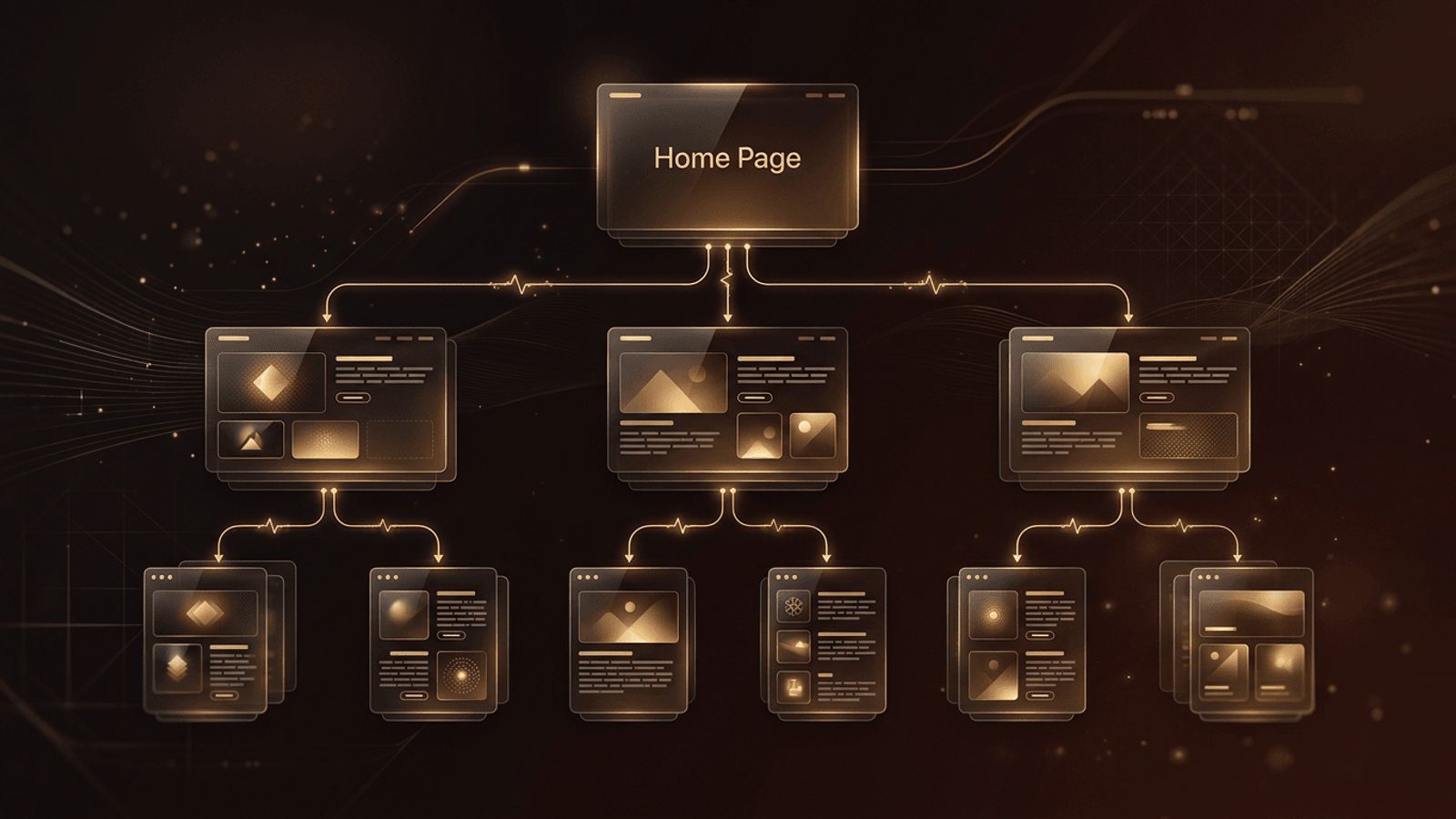
When you visit a website, you move through a series of screens: a home page, an about section, product listings, blog articles, a contact form and more. Each of these is a website page. Website pages are the building blocks of every site on the internet, yet many business owners never stop to think about what they are, how they work or which ones their website actually needs. Understanding website pages helps you plan a site that is easy to navigate, persuasive for visitors and well structured for search engines.
Plan and Build Every Page With AAMAX.CO
A successful website depends on having the right pages, built the right way. AAMAX.CO is a full-service digital marketing company that offers web development, digital marketing and SEO services worldwide. Their team helps businesses map out a complete sitemap, decide which pages are essential and design each page with a clear purpose, compelling layout and search-friendly structure. If you are planning a new website or rethinking an existing one, hire them for web design and development that turns every page into a valuable asset.
What Is a Website Page?
A website page, often simply called a web page, is a single document on the World Wide Web that can be displayed in a web browser. Each page has its own unique URL, or web address, such as example.com/about or example.com/services. Web pages are typically written in HTML, styled with CSS and made interactive with JavaScript. They can contain text, images, videos, forms, buttons, links and other media. A website is a collection of related web pages grouped under a single domain name and connected through navigation menus and links.
Web Page Versus Website
People often use the terms interchangeably, but they mean different things. A web page is one individual document. A website is the complete collection of pages working together. Think of a website as a book and each web page as a chapter. The home page acts like the cover and table of contents, guiding visitors to the other pages they need.
Essential Pages Every Website Should Have
Home page: The main entry point of your website. It introduces your brand, explains what you offer and guides visitors to key sections. A strong home page communicates value within seconds.
About page: Tells your story, mission, values and team. It builds trust and helps visitors connect with your business on a personal level.
Services or products pages: Describe what you sell in detail, including features, benefits, pricing and calls to action. Separate pages for each service or product category often perform better for SEO.
Contact page: Provides ways to reach you, such as a contact form, phone number, email address, physical location and business hours.
Blog or resources page: Hosts articles, guides and news that educate your audience, build authority and attract organic search traffic.
Privacy policy and terms pages: Legal pages that explain how you collect and use data and the rules for using your website. These are often required by law.
Other Common Types of Web Pages
- Landing pages: Focused pages designed for a specific marketing campaign or conversion goal.
- Portfolio or case study pages: Showcase past work and results to build credibility.
- Testimonials pages: Collect customer reviews and success stories.
- FAQ pages: Answer common questions and reduce support requests.
- Pricing pages: Clearly outline plans, packages and costs.
- Careers pages: Promote job openings and company culture.
- Error pages: Custom 404 pages that help lost visitors find their way back.
- Account and checkout pages: Used in e-commerce and web applications for user dashboards, carts and payments.
Static Versus Dynamic Web Pages
Web pages can be static or dynamic. Static pages display the same content to every visitor and are delivered exactly as stored on the server. They are fast, secure and simple, making them ideal for informational content. Dynamic pages generate content on the fly based on user input, database queries or personalization, such as social media feeds, search results or shopping carts. Many modern websites combine both approaches. Building dynamic functionality often calls for skilled web application development to ensure performance and security.
The Anatomy of a Web Page
Most web pages share a common structure. The header usually contains the logo and main navigation menu. The hero section at the top presents the main message and call to action. The body content holds the primary information, organized with headings, paragraphs, images and other media. The sidebar, when present, offers supplementary links or content. The footer typically includes contact details, secondary navigation, social media links and legal information. Behind the scenes, each page also includes metadata such as title tags and meta descriptions that help search engines understand and display it.
How Many Pages Does a Website Need?
There is no universal number. A simple portfolio may need only three to five pages, while a small business website typically has five to fifteen. E-commerce stores and content-heavy sites can have hundreds or thousands. The right number depends on your goals, offerings and audience. More pages can create more opportunities to rank in search engines, but only when every page provides real value. Thin or duplicate pages can hurt rather than help.
Designing Effective Web Pages
Every page should have a clear purpose, a logical layout and a strong call to action. Use consistent navigation so visitors always know where they are. Keep designs responsive so pages look great on phones, tablets and desktops. Optimize images and code for fast loading. Write scannable content with descriptive headings. Professional website design makes sure each page looks polished, works intuitively and supports your business goals.
Web Pages and SEO
Each web page is an opportunity to rank in search results for specific keywords. Search engines index pages individually, so every page should target a distinct topic and include a unique title tag, meta description, URL and heading structure. Internal links between related pages help search engines understand your site's hierarchy and help visitors discover more content. A well-organized collection of optimized pages can significantly boost your website's overall visibility.
Conclusion
Website pages are the individual documents that together make up a complete website. Each page has its own URL, purpose and content, from the home page and about page to service pages, blogs and contact forms. Understanding the types of pages, how they are structured and how they work together helps you build a website that is easy to navigate, engaging for visitors and effective in search engines. Plan your pages thoughtfully, design them with care and keep improving them to support your growing business.
