

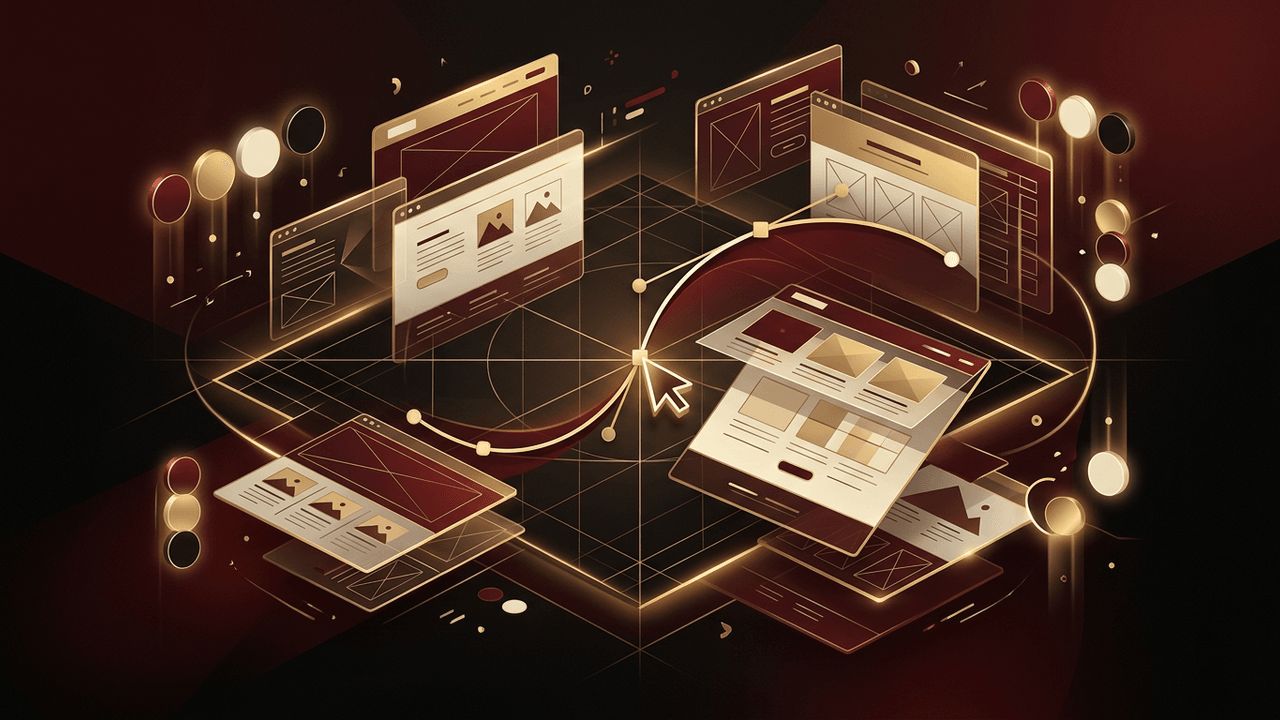
Every website you visit, from a small local bakery to a global software platform, is the result of deliberate design decisions. Colors, fonts, layouts, images, navigation, and interactions are all chosen to create a specific experience. So, what is a web design? Web design is the process of planning, conceptualizing, and arranging the visual and functional elements of a website. It covers how a site looks, how it feels, and how easily visitors can find what they need. Good web design builds trust, communicates a brand's identity, and turns visitors into customers.
How AAMAX.CO Approaches Professional Web Design
Businesses looking for thoughtful, results-driven design often turn to AAMAX.CO. They are a full service digital marketing company offering web development, digital marketing, and SEO services worldwide. Their website design services combine brand strategy, user experience research, and modern visual design to create websites that are both beautiful and effective. Because their designers work closely with developers and SEO specialists, every design they create is built to perform well in the real world.
What Is Web Design?
Web design refers to the design of websites displayed on the internet. It usually focuses on the user-facing aspects of a site rather than the underlying software. A web designer considers layout, color, typography, imagery, spacing, and interactive elements, as well as how all of these adapt to different screen sizes. Modern web design also places strong emphasis on usability, accessibility, and performance.
Web design is often divided into two closely related disciplines: user interface design, which focuses on visual elements and interactions, and user experience design, which focuses on the overall journey and how easily users accomplish their goals.
Key Elements of Web Design
Layout
The layout determines how content is arranged on a page. A clear layout guides the eye, establishes hierarchy, and makes information easy to scan. Grid systems help designers create consistent, balanced arrangements.
Color
Color communicates brand personality and emotion. A limited, consistent palette creates a cohesive look, while sufficient contrast ensures text remains readable for everyone.
Typography
Fonts influence readability and tone. Most effective websites use no more than two font families, with clear size differences between headings and body text.
Imagery
Photos, illustrations, icons, and graphics add visual interest and help explain ideas. High-quality, relevant images make a website feel professional and trustworthy.
Navigation
Navigation helps visitors move through a site. It should be intuitive, consistent, and easy to use on both desktop and mobile devices.
White Space
White space, or negative space, is the empty area between elements. It reduces clutter, improves focus, and gives designs a clean, premium feel.
Core Principles of Good Web Design
- Usability: Visitors should be able to accomplish their goals quickly and without confusion.
- Visual hierarchy: The most important information should stand out first.
- Consistency: Repeated patterns, colors, and components create familiarity.
- Accessibility: Designs should work for people with disabilities, including those using screen readers or keyboards.
- Responsiveness: Layouts should adapt seamlessly to any screen size.
- Performance: Pages should load fast, with optimized images and lean code.
- Clarity: Every element should have a purpose that supports the user's journey.
Types of Web Design
Responsive Design
Responsive design uses flexible layouts and CSS media queries so a single website adapts to phones, tablets, and desktops. It is the standard approach for modern websites.
Adaptive Design
Adaptive design creates several fixed layouts for specific screen sizes and serves the most appropriate one. It offers precise control but requires more design and maintenance effort.
Static and Dynamic Design
Static websites display the same content to every visitor, while dynamic websites generate content based on user input, location, or data from a database.
The Web Design Process
A typical web design project follows several stages. It begins with discovery, where goals, audience, and competitors are researched. Next comes planning, including sitemaps and content strategy. Wireframes then outline the structure of each page, followed by visual mockups that apply branding, color, and typography. After approval, the design is handed to developers for building, then tested across devices before launch. After launch, analytics and user feedback guide ongoing improvements.
Web Design vs Web Development
Web design focuses on how a website looks and how users experience it. Web development focuses on turning those designs into functioning code and building the systems that power the site. Designers use tools such as Figma to create layouts, while developers use HTML, CSS, JavaScript, and back-end technologies to bring them to life. The best results come when both disciplines collaborate closely.
Why Web Design Matters for Business
Visitors form an impression of a website within seconds. A modern, professional design builds credibility, while an outdated or confusing one can drive potential customers away. Good design also supports SEO by improving engagement and mobile usability, and it directly impacts conversion rates by guiding users toward calls to action.
Conclusion
Web design is the art and science of creating websites that look great, work smoothly, and achieve business goals. It brings together layout, color, typography, imagery, navigation, and user experience into a cohesive whole. Whether you are launching a new brand or refreshing an existing site, investing in thoughtful web design is one of the most effective ways to make a strong first impression and build lasting relationships with your audience.
