

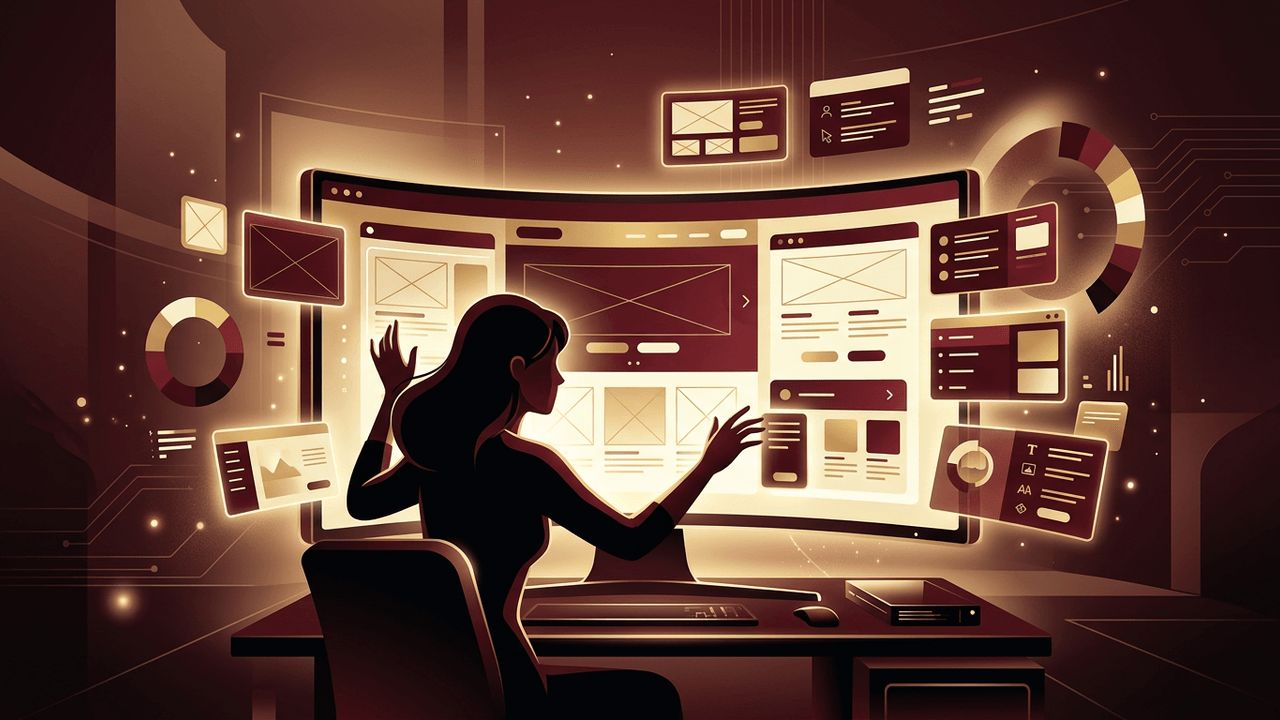
Behind every engaging website is a person, or a team, who carefully decided how it should look and feel. These professionals are web designers. Web designers combine creativity, psychology, and technical understanding to create websites that are attractive, easy to use, and aligned with a brand's goals. They decide where content goes, which colors and fonts communicate the right message, and how visitors move from one page to the next. In short, web designers shape the experience people have when they interact with a business online.
Work With the Experienced Designers at AAMAX.CO
Businesses that want experienced designers on their side often partner with AAMAX.CO. They are a full service digital marketing company offering web development, digital marketing, and SEO services worldwide. Their designers create custom, conversion-focused layouts, and their development team brings those designs to life through professional website development. With design, development, and SEO working together, they help clients launch websites that look polished and perform strongly in search results.
What Do Web Designers Do?
Web designers are responsible for the visual and experiential aspects of a website. Their work typically includes:
- Meeting with clients to understand business goals, audiences, and brand identity.
- Researching competitors and industry design trends.
- Creating sitemaps and planning the structure of the website.
- Designing wireframes that outline page layouts and content hierarchy.
- Producing high-fidelity mockups with color, typography, and imagery.
- Building interactive prototypes to test user flows.
- Collaborating with developers to ensure designs are implemented accurately.
- Reviewing analytics and feedback to improve designs over time.
Types of Web Designers
User Interface Designers
UI designers focus on visual elements such as buttons, icons, forms, typography, and color. They ensure that interfaces are attractive, consistent, and intuitive.
User Experience Designers
UX designers focus on how users feel when interacting with a website. They conduct research, map user journeys, test usability, and solve problems that cause frustration or confusion.
Visual Designers
Visual designers blend graphic design and UI design, emphasizing brand expression, imagery, and aesthetic quality.
Interaction and Motion Designers
These designers specialize in animations, transitions, and micro-interactions that make interfaces feel responsive and engaging.
Essential Skills of Web Designers
- Visual design: Mastery of layout, color theory, typography, and composition.
- User-centered thinking: Designing with real user needs and behaviors in mind.
- Responsive design: Creating layouts that adapt to all screen sizes.
- Accessibility: Ensuring designs work for people with disabilities, including proper contrast and readable text.
- Basic coding knowledge: Understanding HTML and CSS helps designers create realistic, buildable designs.
- SEO awareness: Knowing how structure and content affect search visibility.
- Communication: Presenting ideas, accepting feedback, and collaborating with teams.
Tools Web Designers Use
Modern web designers rely on a range of digital tools. Figma is widely used for interface design, prototyping, and collaboration. Adobe Photoshop and Illustrator remain popular for image editing and vector graphics. Prototyping tools help designers test interactions before development begins. Many designers also use website builders, content management systems, and code editors to bring their ideas closer to production. Design systems and component libraries help teams maintain consistency across large projects.
Web Designers vs Web Developers
Although the roles overlap, web designers and web developers have different focuses. Designers decide what a website should look like and how it should behave from the user's perspective. Developers write the code that makes the website function, including front-end interfaces and back-end systems such as databases and servers. Some professionals work in both areas, but most projects benefit from dedicated specialists who collaborate closely from the earliest stages.
Why Businesses Need Web Designers
First impressions happen fast online. Visitors judge a website's credibility within seconds, largely based on its design. Professional web designers help businesses:
- Build trust with a polished, modern appearance.
- Communicate brand identity consistently.
- Improve usability so visitors find information quickly.
- Increase conversions with clear calls to action and logical user flows.
- Support SEO through mobile-friendly, well-structured layouts.
- Stand out from competitors in crowded markets.
How to Choose the Right Web Designer
When hiring a web designer or design team, review their portfolio for quality and variety, read client testimonials, and ask about their design process. Look for designers who ask thoughtful questions about your business and customers rather than jumping straight to visuals. Ensure they understand responsive design, accessibility, and how their work will be built and optimized. A designer who collaborates well with developers and marketers will deliver the strongest results.
The Future of Web Design
Web design continues to evolve with new technologies. AI-powered tools are speeding up early design exploration, design systems are becoming standard for consistency, and accessibility is gaining more attention worldwide. Despite these changes, the core value of a web designer remains the same: understanding people and creating experiences that meet their needs.
Conclusion
Web designers are the creative problem-solvers who shape how websites look, feel, and function for users. Through research, visual design, and collaboration, they turn business goals into engaging digital experiences. Whether you are launching a new website or improving an existing one, working with skilled web designers is one of the best investments you can make in your online success.
