

Websites are so deeply woven into daily life that we rarely stop to think about what they actually are. We use them to shop, learn, work, communicate, and entertain ourselves. Yet when someone asks for a clear website definition, the answer is not always obvious. Is a website just a page? Is it the same as the internet? What makes something a website rather than an app? In this article, we provide a clear definition of a website, explain its core components, describe how websites work behind the scenes, and outline the main types of websites businesses rely on today.
How AAMAX.CO Turns the Definition of a Website Into Business Results
Understanding what a website is forms the first step; building one that achieves real goals is the next. AAMAX.CO is a full-service digital marketing company offering web development, digital marketing, and SEO services worldwide, and they help businesses transform that understanding into high-performing online platforms. Their website development services cover every component discussed in this article, including domains, hosting, design, content, and functionality. By combining technical expertise with marketing strategy, they build websites that are fast, secure, search-friendly, and designed to turn visitors into customers.
Website Definition
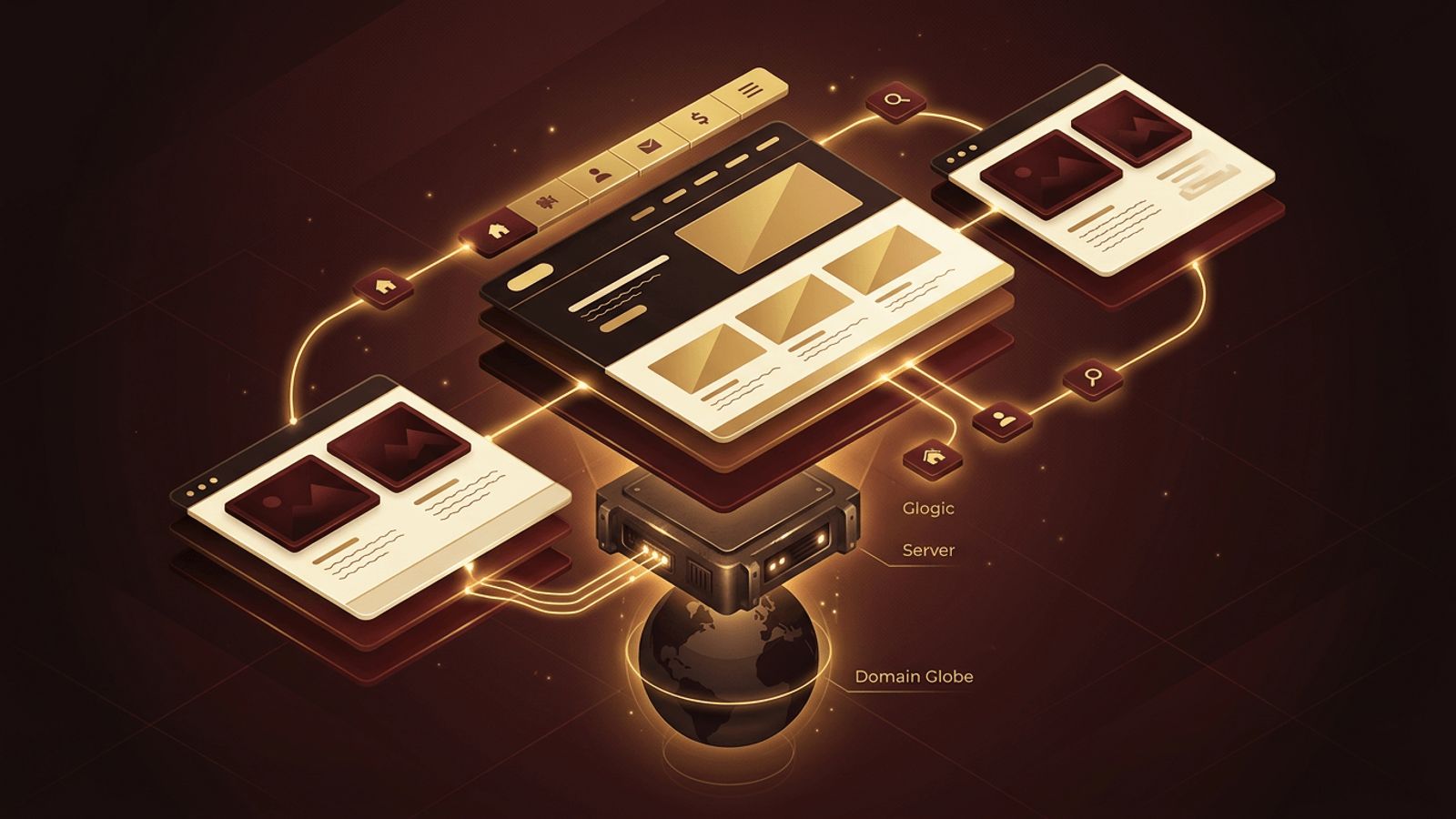
A website is a collection of related web pages and digital content, such as text, images, videos, and interactive features, that are grouped under a single domain name and accessible over the internet through a web browser. Websites are hosted on servers and are created and maintained by individuals, businesses, organizations, or governments for purposes ranging from sharing information to selling products.
For example, a company's website might include a homepage, an about page, a services page, a blog, and a contact page, all accessible under the same domain, such as example.com.
Website Versus Web Page Versus Internet
- Web page: A single document on the web, such as an individual article or product page.
- Website: A collection of related web pages under one domain.
- World Wide Web: The system of interconnected websites and pages accessed through browsers.
- Internet: The global network of computers that makes the web, email, and other services possible.
Core Components of a Website
Domain Name
The domain name is the website's address, such as example.com. It provides a memorable way for users to find the website instead of typing numerical IP addresses.
Web Hosting
Hosting refers to the servers where the website's files are stored. Hosting providers make these files available to visitors around the clock.
Web Pages and Content
Content includes text, images, videos, and downloadable resources that communicate information and value to visitors.
Design and Layout
The visual design determines how content is presented, including colors, typography, spacing, and layout. Good design improves usability and builds trust.
Navigation
Menus, links, and search functions help users move between pages and find information easily.
Code
Websites are built using languages such as HTML for structure, CSS for styling, and JavaScript for interactivity. Server-side languages and databases power dynamic functionality.
Security
SSL certificates, firewalls, and secure coding practices protect the website and its visitors from threats.
How Websites Work
- A user types a domain name into a browser or clicks a link.
- The browser uses the Domain Name System to find the IP address of the server hosting the website.
- The browser sends a request to the server for the web page.
- The server responds by sending the page's files, including HTML, CSS, JavaScript, and media.
- The browser interprets these files and renders the page for the user to view and interact with.
This process typically happens in a fraction of a second, creating the seamless experience users expect.
Static and Dynamic Websites
Static websites deliver the same pre-built content to every visitor. They are fast, secure, and simple to host, making them ideal for informational sites. Dynamic websites generate content in real time based on user interactions, databases, or personalization. E-commerce stores, social networks, and web applications are examples of dynamic websites. Many modern websites combine both approaches, pre-rendering some content for speed while generating other content dynamically.
Common Types of Websites
- Business websites: Represent companies and showcase products or services.
- E-commerce websites: Allow customers to purchase products online.
- Blogs: Publish regular articles on specific topics.
- Portfolio websites: Showcase creative work and professional achievements.
- Educational websites: Provide learning resources and courses.
- News websites: Deliver current events and media content.
- Nonprofit websites: Share missions and accept donations.
- Web applications: Offer interactive tools and services within the browser.
Why Websites Are Essential for Businesses
A website serves as a business's digital storefront, available around the clock to customers worldwide. It builds credibility, provides information, generates leads, supports sales, and strengthens brand identity. Websites also serve as the hub for digital marketing efforts, connecting search engine optimization, social media, email campaigns, and online advertising. Without a website, businesses miss opportunities to reach and engage modern consumers.
Characteristics of a Great Website
Effective websites share several qualities: fast loading speeds, mobile responsiveness, intuitive navigation, clear messaging, strong security, accessible design, and search engine optimization. They also include clear calls to action that guide visitors toward desired outcomes.
Final Thoughts
A website is a collection of related web pages under a single domain, hosted on servers and accessible through web browsers. While the definition is simple, building a successful website involves many components working together, from domains and hosting to design, content, code, and security. Understanding these elements helps businesses make smarter decisions and create websites that truly serve their audiences and goals.
