

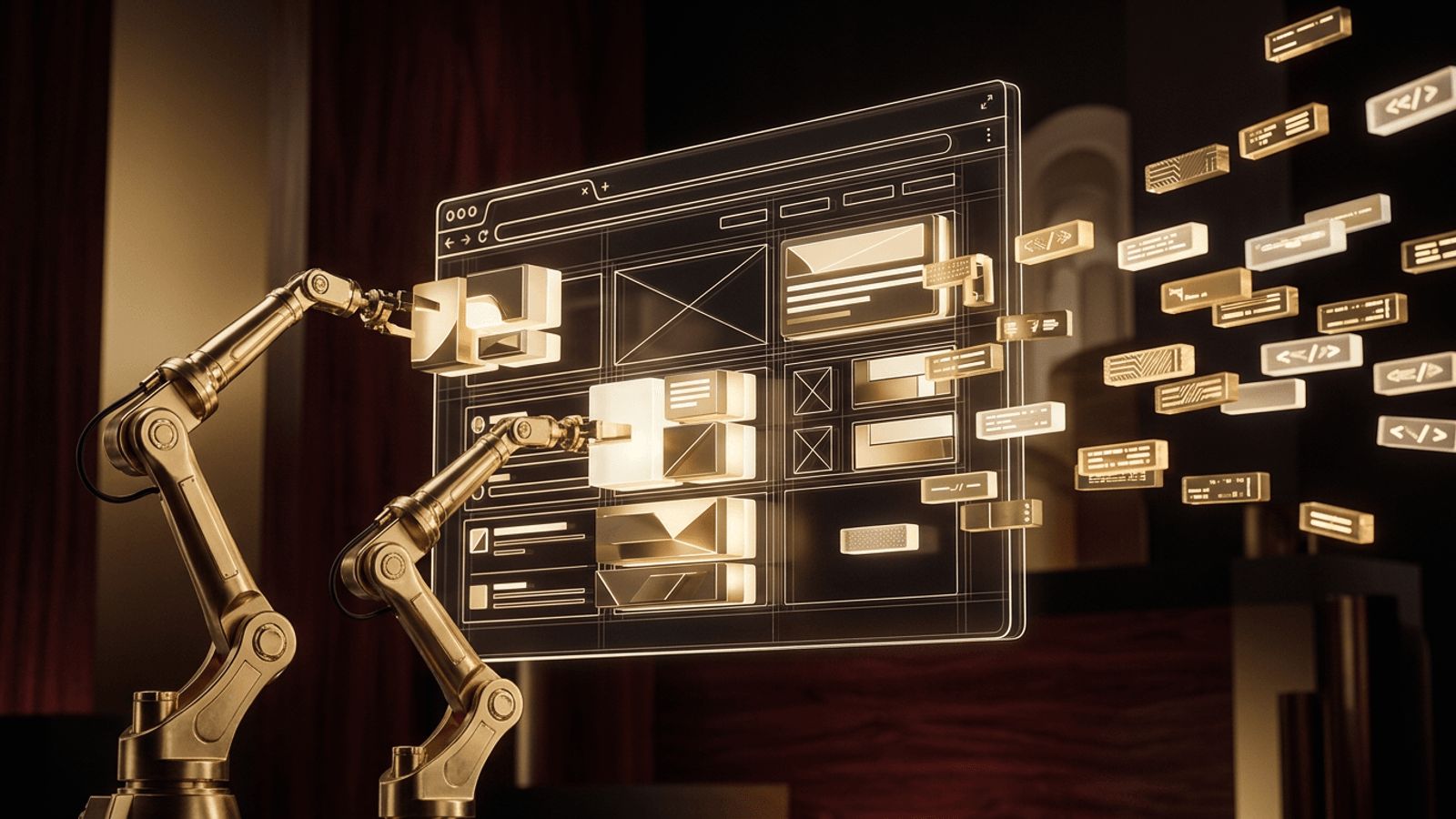
Every business eventually reaches a point where an off-the-shelf template no longer fits. The layout feels generic, the features are limited, and the site struggles to support the way the company actually works. This is where custom web development comes in. Custom web development is the process of planning, designing, and building a website or web application from the ground up to match a specific organization's goals, workflows, brand, and audience. Instead of bending a business to fit a pre-built theme, custom development shapes the technology around the business. In this guide, we explore what custom web development means, how it differs from template-based approaches, what the process looks like, and how to decide whether it is the right investment.
How AAMAX.CO Helps Businesses With Custom Web Development
For organizations that want a website built precisely around their needs, AAMAX.CO is a full-service digital marketing company that offers web development, digital marketing, and SEO services to clients worldwide. Their team handles everything from discovery and user experience planning to front-end design, back-end engineering, and launch. Because they also understand search engine optimization and performance marketing, they build custom websites that are not only visually distinctive but also fast, secure, and ready to attract and convert visitors. Businesses that hire them gain a single partner who can take a custom project from an idea on paper to a fully functioning digital platform.
Defining Custom Web Development
At its core, custom web development means writing code and creating designs specifically for one project. A developer or agency begins with a blank canvas and a clear set of requirements: what the site must do, who will use it, which systems it needs to connect to, and how it should represent the brand. The resulting product is unique. It may use popular frameworks and libraries under the hood, but the architecture, interface, and functionality are tailored rather than borrowed from a mass-market theme.
Custom development can apply to a marketing website, an eCommerce store with unusual product logic, a customer portal, an internal dashboard, a booking platform, or a complex software-as-a-service product. The common thread is that the solution is engineered around specific requirements instead of generic assumptions.
Custom Development vs. Template-Based Websites
Template-based websites are built on pre-designed themes provided by website builders or content management systems. They are quick to launch and inexpensive at the start, which makes them attractive for very small projects. However, they come with trade-offs. Templates often include unnecessary code that slows pages down, they look similar to thousands of other sites, and adding unique functionality usually requires stacking plugins that can conflict with each other or introduce security risks.
Custom websites, by contrast, include only the code the project needs. That leads to cleaner performance, stronger security, and a design that genuinely stands out. Custom builds also scale more gracefully because the architecture is planned with future growth in mind. The trade-off is a higher upfront investment in time and budget, which is why it is important to understand the long-term value before deciding.
Key Benefits of Custom Web Development
Unique brand identity. A custom design reflects a company's personality, values, and positioning. Visitors immediately recognize that they are interacting with a distinct brand, not a recycled layout. Professional website design is often the first step in creating that distinct impression.
Tailored functionality. Whether a business needs a custom quote calculator, membership tiers, multi-location inventory, or integration with a CRM and ERP, custom development builds those features directly into the platform rather than relying on workarounds.
Better performance. Lean code, optimized assets, and thoughtful architecture result in faster loading times. Speed affects user satisfaction, conversion rates, and search rankings, so performance gains translate into business results.
Stronger security. Popular templates and plugins are frequent targets for attackers because a single vulnerability can affect thousands of sites. Custom code reduces that exposure and allows security measures to be designed around the project's specific risks.
Scalability. As traffic, product catalogs, or user bases grow, a custom platform can be extended without a complete rebuild. Developers can add modules, optimize databases, and scale infrastructure in a planned way.
Ownership and flexibility. With a custom build, the business owns its codebase and is not locked into a single vendor's pricing changes or feature limitations.
The Custom Web Development Process
Although every agency has its own methodology, most custom projects follow a similar sequence of stages.
Discovery and strategy. The team learns about the business, its audience, competitors, and goals. Stakeholders define requirements, success metrics, and technical constraints.
Information architecture and UX. Designers map out the site structure, user journeys, and wireframes. This stage ensures that visitors can find what they need quickly and that every page has a clear purpose.
Visual design. High-fidelity mockups bring the brand to life with typography, color, imagery, and interactive elements. Designs are created for desktop, tablet, and mobile screens.
Development. Front-end developers translate designs into responsive, accessible code, while back-end developers build databases, APIs, authentication, and business logic. Expert website development at this stage determines how reliable and maintainable the final product will be.
Testing and quality assurance. The site is tested across browsers and devices, checked for performance and accessibility, and reviewed for security vulnerabilities and functional bugs.
Launch and ongoing support. After deployment, the team monitors performance, fixes issues, and continues to improve the platform based on analytics and user feedback.
Who Should Invest in Custom Web Development?
Custom development is especially valuable for businesses with unique processes, growth ambitions, or competitive markets where brand differentiation matters. Startups building a digital product, eCommerce companies with complex catalogs, service firms that need client portals, and enterprises integrating multiple internal systems all benefit from a tailored approach. Even smaller businesses can benefit when their website is a primary source of leads or revenue, because the performance and conversion improvements can quickly outweigh the initial cost.
On the other hand, a simple informational site with a short lifespan may not require a fully custom build. The key is to weigh the website's role in the business against the cost of limitations imposed by generic solutions.
How to Choose the Right Custom Development Partner
Selecting a development partner is one of the most important decisions in the process. Look for a team with a strong portfolio of custom projects, transparent communication, and a clear process. Ask how they handle discovery, testing, and post-launch support. Make sure they understand not only code but also design, SEO, accessibility, and conversion optimization, since a website must perform as a business tool, not just a technical artifact. A partner that offers integrated services can align the website with broader marketing goals from day one.
Conclusion
Custom web development gives businesses a website that fits like a tailored suit: designed around their brand, built for their workflows, and engineered to grow with them. While it requires a larger initial investment than a template, the benefits in performance, security, scalability, and differentiation often deliver a far greater return over time. For companies ready to move beyond generic solutions, partnering with an experienced team to plan and build a custom platform is one of the smartest digital investments they can make.
