

The word "website" is part of everyday vocabulary, yet its meaning goes deeper than many people realize. We use websites to read news, shop, learn, work, and connect with others, often without thinking about what a website actually is or how it came to be. For business owners, creators, and organizations, understanding the meaning of a website is the starting point for building a meaningful online presence. This article explains the definition of a website, the origin of the term, how websites work, their essential components, and the many purposes they serve in the modern world.
How AAMAX.CO Gives Websites Real Meaning for Businesses
A website is more than code and pages; it is a brand's digital home. AAMAX.CO is a full-service digital marketing company offering web development, digital marketing, and SEO services worldwide. They help businesses define the purpose of their websites, craft messaging that resonates, and build experiences that turn visitors into customers. Their website design services align visual identity, content, and user experience so every website clearly communicates what a brand stands for.
The Meaning of Website
A website is a collection of related web pages and digital content, identified by a common domain name and published on at least one web server. People access websites through web browsers by typing a web address, clicking a link, or selecting a search result.
In simpler terms, a website is a place on the internet where information, services, or experiences are presented to visitors. It can be as small as a single page or as large as millions of interconnected pages.
The Origin of the Word "Website"
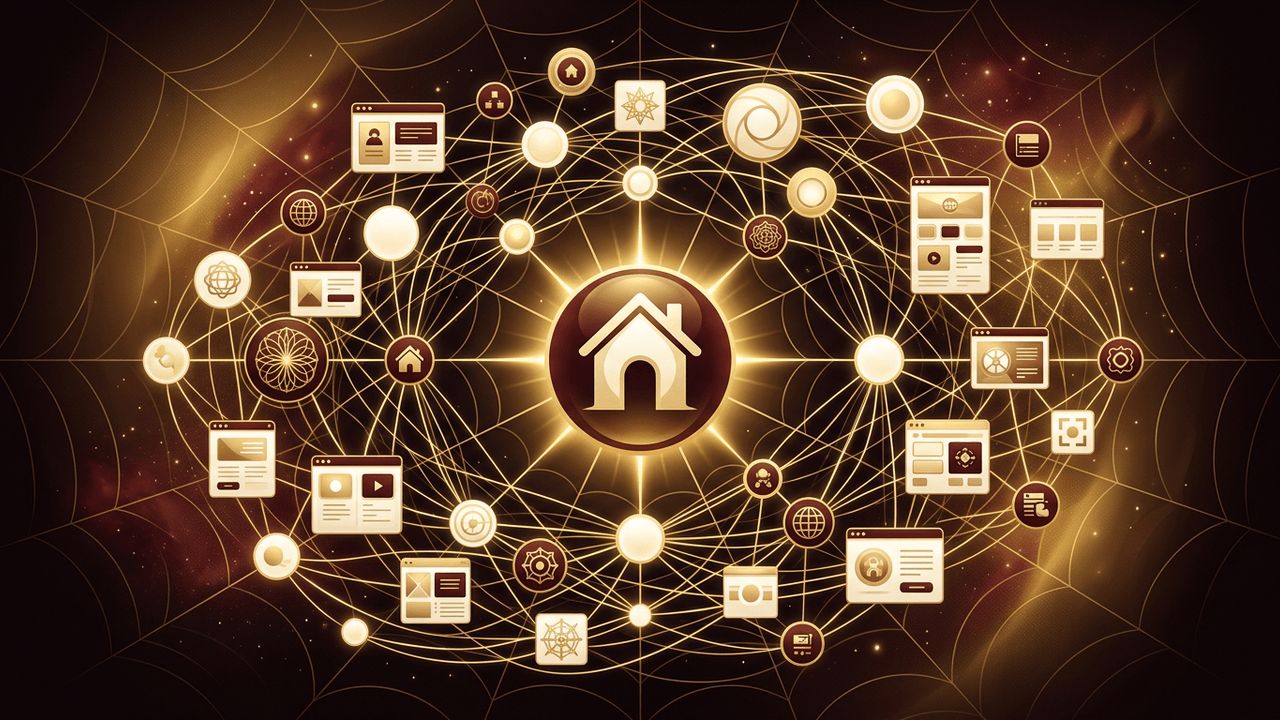
The term combines two words: "web" and "site." The "web" refers to the World Wide Web, a system of interlinked documents accessed via the internet, which was introduced in the early 1990s. The idea of a web comes from the way pages connect to one another through hyperlinks, forming a network resembling a spider's web. A "site" refers to a location. Together, a website is a location on the World Wide Web.
The first website was created to explain the World Wide Web project itself, describing how to create web pages and use hypertext. Since then, websites have grown into one of the most important communication tools in human history.
Website vs. Web Page vs. Web Browser
- Website: The complete collection of pages under one domain.
- Web page: A single document within a website, with its own URL.
- Web browser: The software used to view websites and web pages.
- Search engine: A website that helps users find other websites.
How a Website Works
Several technologies work together to make a website accessible:
- Domain name: The memorable address visitors use to find the site.
- Web hosting: A server that stores the website's files and delivers them on request.
- DNS: A system that translates domain names into server IP addresses.
- Code: HTML for structure, CSS for design, and JavaScript for interactivity.
- Content: Text, images, videos, and downloads that provide value to visitors.
When someone visits a website, their browser requests files from the server and assembles them into the page they see on screen.
Key Components of a Website
- Home page: The main entry point that introduces the website.
- Navigation: Menus and links that help visitors move between pages.
- Content pages: Pages that present information about products, services, or topics.
- Contact options: Forms, phone numbers, email addresses, or chat tools.
- Footer: Additional links, legal information, and social media connections.
- Metadata: Hidden information that helps search engines understand the site.
Purposes of a Website
Websites serve countless purposes, including:
- Informing: Sharing knowledge, news, and educational resources.
- Selling: Offering products and services through e-commerce.
- Marketing: Building brand awareness and generating leads.
- Connecting: Bringing communities together through forums and social platforms.
- Serving: Providing tools such as banking, booking, and customer portals.
- Expressing: Showcasing personal portfolios, art, writing, and ideas.
Why Websites Matter Today
For individuals, a website can serve as a professional portfolio or personal platform. For businesses, it is often the first point of contact with potential customers. A website works around the clock, reaches a global audience, and provides a space the owner fully controls. It supports credibility, as many customers research a company online before making decisions. A website also acts as the hub for digital marketing efforts, including search engine optimization, social media, email campaigns, and online advertising.
Characteristics of a Good Website
- A clear purpose and message.
- Easy navigation and logical structure.
- Responsive design for all devices.
- Fast loading speed.
- High-quality, helpful content.
- Strong security with HTTPS.
- Accessibility for all users.
- Search engine optimization.
Conclusion
The meaning of a website is simple yet powerful: it is a collection of connected web pages, published under one domain, that delivers information, services, or experiences to people through the internet. From its origins on the early World Wide Web to its central role in modern business and communication, the website remains one of the most essential digital assets anyone can own. Understanding what a website is helps you appreciate its potential and build one that truly serves your goals.
