

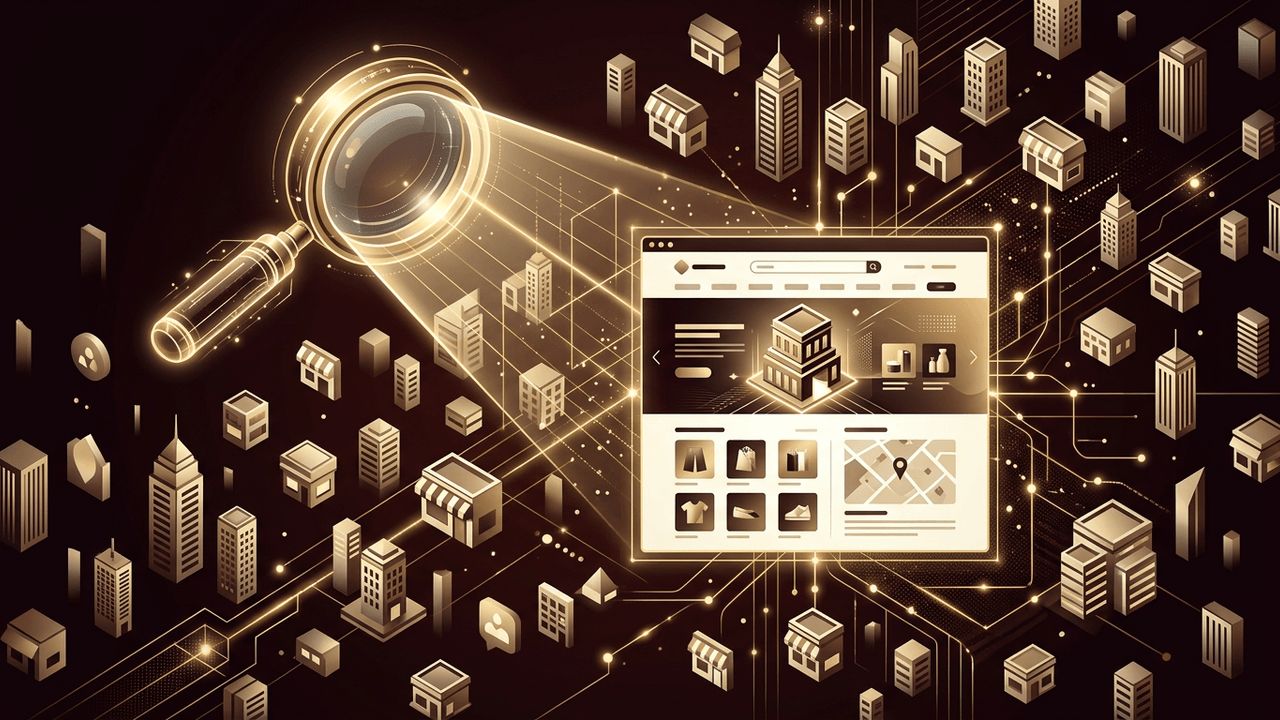
Whether you are researching a potential supplier, checking out a new restaurant, vetting a job offer, or comparing service providers, one of the first questions you are likely to ask is simple: what is their website? A company's website is often the most trusted and complete source of information about who they are, what they offer, and how to contact them. Yet finding the correct website is not always straightforward, especially with similar business names, outdated listings, and fake websites designed to mislead. In this guide, we explain how to find a business's official website, how to verify that it is legitimate, and why businesses must make their websites easy to discover.
How AAMAX.CO Makes Businesses Easy to Find Online
If customers have to ask "what is their website?" and cannot find a clear answer, the business is losing opportunities. AAMAX.CO is a full-service digital marketing company offering web development, digital marketing, and SEO services worldwide. They help businesses build professional websites and strengthen their visibility across search engines, maps, and directories so customers can find the right site quickly. Their website design services create credible, branded websites that instantly communicate trust, while their SEO expertise ensures those sites appear prominently when people search. Businesses that hire them become easier to find, easier to trust, and easier to contact.
Why People Ask "What Is Their Website?"
People look for a company's website for many reasons. Customers want to browse products, check prices, read reviews, or book appointments. Job seekers research company culture and open positions. Partners and investors evaluate credibility. Journalists look for press information. In every case, the website serves as the official digital headquarters of the business, offering more depth and accuracy than social media profiles or third-party listings.
How to Find a Company's Website
Search Engines
The most common method is typing the business name into a search engine like Google or Bing. Adding the city, industry, or product name can help narrow results. The official website usually appears near the top, often alongside a business profile panel.
Google Business Profile and Maps
For local businesses, Google Maps and Google Business Profiles typically include a direct link to the company's website, along with hours, reviews, and contact details.
Social Media Profiles
Most businesses list their website in the bio or about section of their LinkedIn, Instagram, Facebook, or X profiles. LinkedIn company pages are particularly reliable for B2B organizations.
Email Domains
If you have received an email from someone at the company, the domain after the @ symbol often matches the company's website. For example, an email from name@company.com suggests the website is company.com.
Business Directories and Review Sites
Platforms like Yelp, Clutch, Trustpilot, industry associations, and chambers of commerce often list official websites.
Printed and Offline Materials
Business cards, brochures, invoices, packaging, and advertisements typically display the company's web address.
How to Verify a Website Is Legitimate
Unfortunately, scammers sometimes create look-alike websites to steal information or money. Before trusting a website, look for these signs of legitimacy:
- Secure connection: The URL should begin with HTTPS and show a padlock icon, though this alone does not guarantee trustworthiness.
- Correct spelling: Check the domain carefully for subtle misspellings or extra characters.
- Consistent branding: Logos, colors, and messaging should match the company's other channels.
- Contact information: Legitimate businesses provide clear addresses, phone numbers, and email contacts.
- Professional quality: Poor grammar, broken links, and outdated content can be red flags.
- Cross-references: Confirm the website is linked from the company's verified social profiles or Google Business Profile.
- Domain information: WHOIS lookup tools can reveal how long a domain has been registered; very new domains for supposedly established companies may be suspicious.
What If a Business Does Not Have a Website?
Some small businesses still rely solely on social media or marketplace listings. While these channels can be useful, they limit control over branding, content, and customer data. Platforms can change algorithms or policies at any time. Without a website, businesses also miss out on search traffic and may appear less credible to potential customers who expect a professional online presence.
Why Every Business Needs a Findable Website
When customers search for a business and cannot find a clear official website, they often move on to a competitor. A professional website builds credibility, provides essential information around the clock, supports marketing campaigns, and captures leads. It is also the foundation for SEO, allowing businesses to attract new customers who are searching for their products or services.
Being findable requires more than simply having a website. Businesses should ensure their site is indexed by search engines, linked consistently across all profiles and directories, optimized for their brand name and relevant keywords, and listed in their Google Business Profile.
Tips for Businesses to Improve Website Discoverability
- Use a domain that closely matches your business name.
- Claim and optimize your Google Business Profile.
- Add your website link to every social media profile.
- Keep name, address, and phone details consistent across directories.
- Implement structured data so search engines understand your business information.
- Include your website on all printed materials and email signatures.
- Invest in ongoing SEO and content marketing.
Conclusion
"What is their website?" is one of the most common questions people ask when evaluating a business. Search engines, maps, social profiles, email domains, and directories make it easy to find the answer, while careful verification helps avoid fraudulent sites. For businesses, the lesson is clear: a professional, easy-to-find website is essential for credibility and growth. Make sure that when customers look for you, they find the right website quickly and confidently.
