

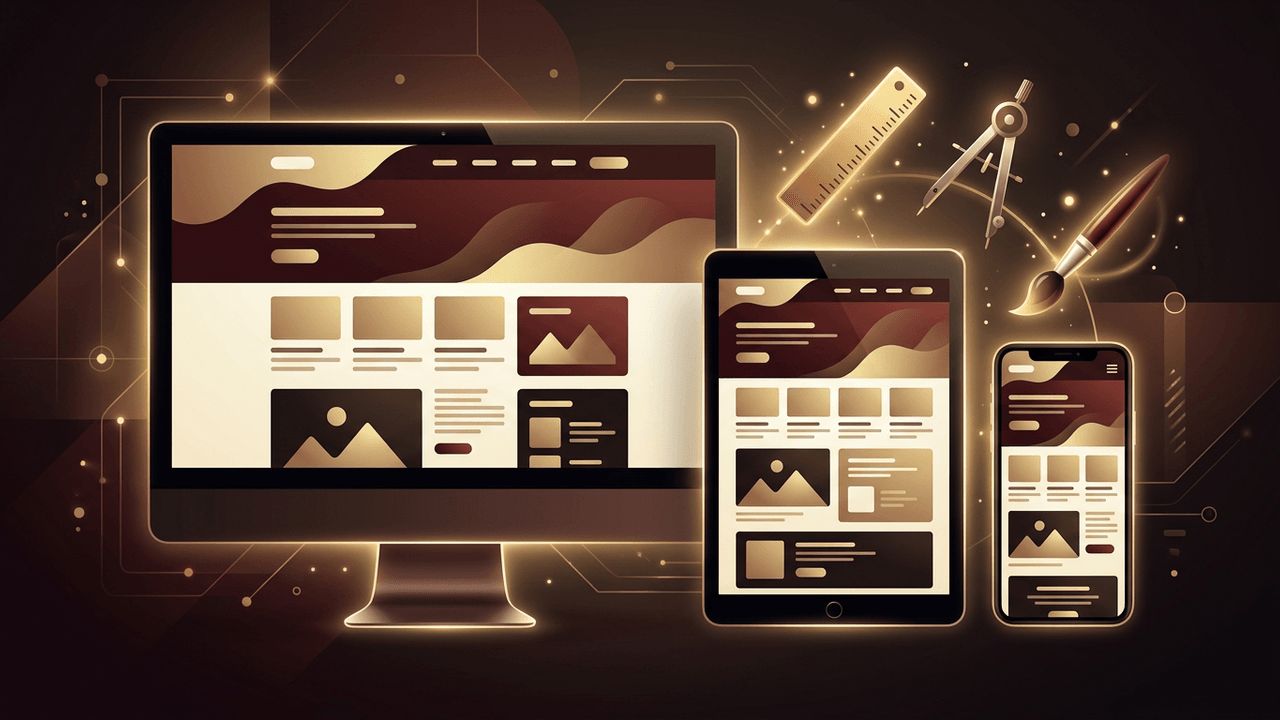
Web design is one of the most in-demand creative skills in the digital world. Every business, nonprofit, and creator needs a website, and those websites need to look great and work smoothly for visitors. If you have ever asked yourself how you can get into web design, whether to build your own projects, start a freelance career, or simply understand the craft better, you are in the right place. Web design blends visual creativity with problem-solving and an understanding of how people behave online. In this article, we will explain what web design involves, the essential principles and skills you need, the tools designers use, and a practical roadmap for learning and practicing web design.
How AAMAX.CO Approaches Professional Web Design
AAMAX.CO is a full service digital marketing company offering web development, digital marketing, and SEO services worldwide. Their design team creates websites that balance aesthetics, usability, and business results. They follow a research-driven process that includes understanding the audience, mapping user journeys, creating wireframes, and designing polished interfaces that are responsive and accessible. For businesses that need professional results without learning the craft themselves, they provide expert design paired with development and SEO, ensuring every website is both beautiful and effective.
What Is Web Design?
Web design is the process of planning, conceptualizing, and arranging content and visual elements for websites. It covers how a site looks, including colors, typography, imagery, and layout, as well as how it feels to use, including navigation, interactions, and accessibility. Web designers work closely with developers, who turn designs into functioning code, though many designers also learn front-end coding to bring their ideas to life.
Web Design vs. Web Development
Web design focuses on the visual and user experience aspects of a website, while web development focuses on building it with code. Designers create mockups and prototypes; developers implement them using HTML, CSS, JavaScript, and back-end technologies. Understanding both disciplines makes you a more effective designer, as you will create designs that are practical to build.
Core Principles of Web Design
Visual Hierarchy
Hierarchy guides the user's eye to the most important elements first. Use size, color, contrast, and placement to signal importance. Headlines should stand out, followed by supporting text and calls to action.
Layout and Grids
Grids create order and consistency. Most web layouts use column-based grids that adapt to different screen sizes. Aligning elements to a grid makes designs look professional and balanced.
Typography
Typography affects readability and personality. Choose legible fonts, limit yourself to one or two families, establish a clear type scale, and use comfortable line spacing.
Color Theory
Colors convey emotion and brand identity. Learn about complementary and analogous color schemes, and always ensure enough contrast for accessibility. Use accent colors strategically to highlight key actions.
White Space
White space, or negative space, gives content room to breathe. It improves readability, focus, and the overall sense of quality.
Consistency
Consistent styles for buttons, links, headings, and spacing make websites intuitive. Designers often create design systems or style guides to maintain consistency.
User Experience and Usability
Great web design is user-centered. User experience, or UX, focuses on making websites easy, efficient, and satisfying to use. Learn to create user personas, map user journeys, and conduct usability testing. Simple navigation, clear labels, predictable interactions, and fast performance are essential. Always design with the user's goals in mind, not just aesthetics.
Responsive and Mobile-First Design
Websites must work on screens of every size. Responsive design uses flexible layouts and media queries so content adapts smoothly from large desktop monitors to small smartphones. Many designers adopt a mobile-first approach, designing for the smallest screen first and progressively enhancing the layout for larger screens.
Accessibility
Accessible design ensures people with disabilities can use websites. Follow accessibility guidelines by using sufficient color contrast, providing text alternatives for images, supporting keyboard navigation, and structuring content with proper headings. Accessibility is both an ethical responsibility and, in many places, a legal requirement.
Essential Web Design Tools
Designers use a range of tools in their workflow:
- Design and prototyping tools: Applications for creating wireframes, mockups, and interactive prototypes.
- Image editing software: Tools for editing photos and creating graphics.
- Code editors: For designers who build their own front ends with HTML and CSS.
- Website builders and CMS platforms: For designing and launching sites without heavy coding.
- Inspiration galleries: Websites showcasing outstanding design for reference and ideas.
A Roadmap for Learning Web Design
Start by studying design fundamentals such as hierarchy, layout, typography, and color. Then learn a design tool and practice recreating websites you admire. Next, learn the basics of HTML and CSS so you understand how designs are built. Study UX principles and accessibility. Work on personal projects, such as designing a website for a local business or a fictional brand. Seek feedback from experienced designers and online communities. Finally, build a portfolio that shows your process and results, not just final visuals.
Building a Web Design Portfolio
A portfolio is essential for showcasing your skills. Include case studies that explain the problem, your research, design decisions, and outcomes. Show wireframes and iterations alongside final designs. Quality matters more than quantity; three strong case studies are better than ten weak ones.
When to Hire a Professional
Learning web design is rewarding, but it takes time to master. If your business needs a high-quality website now, professional website design ensures expert results that reflect your brand and drive conversions while you focus on running your business.
Conclusion
Web design combines creativity, psychology, and technical understanding to create websites that look great and serve users well. By mastering core principles, learning UX and accessibility, embracing responsive design, using the right tools, and practicing consistently, you can develop strong web design skills. Whether you pursue it as a career or simply want to create better websites, web design is a valuable skill in today's digital world.
