

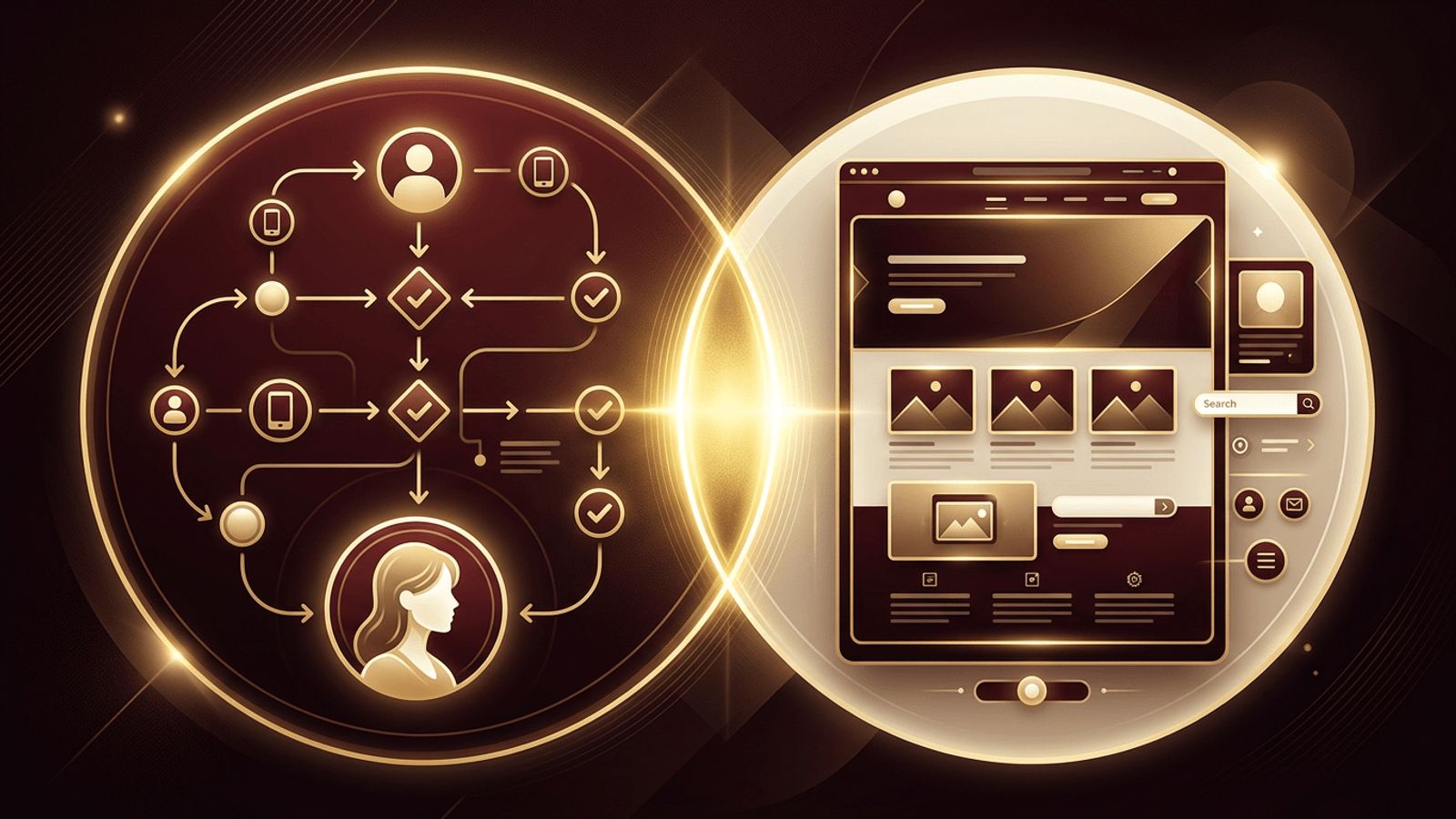
The worlds of UX design and web design overlap so much that the two titles are often used interchangeably. Both roles shape how people experience websites, both involve design tools and visual thinking, and both aim to create digital products people enjoy using. Yet they are not the same. Is a UX designer a web designer? Sometimes, but not necessarily. In this article, we explore what each role involves, where they intersect, how they differ, and why great websites need both perspectives.
How AAMAX.CO Blends UX Strategy and Web Design
The most effective websites combine thoughtful user experience with polished visual design. AAMAX.CO is a full-service digital marketing company offering web development, digital marketing, and SEO services worldwide. Their designers begin with user research, journey mapping, and wireframing, then craft visually striking interfaces that reflect each brand. Businesses seeking user-centered website design can rely on them to create experiences that are intuitive, attractive, and built to convert.
What Is a UX Designer?
UX stands for user experience. A UX designer focuses on how a product works and feels for the people using it. Their goal is to make digital experiences useful, usable, and enjoyable. UX designers work on websites, but also on mobile apps, software platforms, kiosks, smart devices, and even physical services.
Typical UX responsibilities include:
- Conducting user research through interviews, surveys, and analytics.
- Creating user personas and journey maps.
- Designing information architecture and navigation structures.
- Building wireframes and interactive prototypes.
- Running usability tests and iterating based on feedback.
- Collaborating with product managers, developers, and stakeholders.
What Is a Web Designer?
A web designer focuses specifically on designing websites. Their work centers on the visual appearance and layout of web pages: color schemes, typography, imagery, spacing, and overall aesthetics. Many web designers also handle aspects of user experience, and some build websites themselves using HTML, CSS, or website builders.
Typical web design responsibilities include:
- Creating visual design concepts and mockups.
- Applying brand guidelines to web layouts.
- Designing responsive layouts for different screen sizes.
- Selecting and preparing images, icons, and graphics.
- Working with developers to ensure faithful implementation.
- Sometimes building sites with WordPress, Webflow, or code.
Where the Roles Overlap
Both UX designers and web designers care about how users interact with a website. Both create wireframes and mockups, use tools like Figma, and think about navigation, layout, and usability. On small teams or freelance projects, one person often performs both roles, designing the user flow and the visual interface together.
Key Differences Between UX Designers and Web Designers
Scope
UX design is platform-agnostic; it applies to any product or service. Web design is specifically about websites.
Focus
UX designers focus on functionality, structure, and the overall journey. Web designers focus more on visual presentation and aesthetic execution.
Research Emphasis
UX designers spend significant time on research and testing to understand user behavior. Web designers may rely on research but typically spend more time on visual craft.
Deliverables
UX designers produce personas, journey maps, sitemaps, wireframes, and prototypes. Web designers produce high-fidelity mockups, style guides, and visual assets.
Technical Skills
Web designers are more likely to know HTML and CSS or website builders. UX designers may not code at all, though understanding technical constraints is valuable.
Is a UX Designer a Web Designer?
A UX designer can be a web designer when they work on websites and handle visual design as well as experience strategy. However, many UX designers work exclusively on mobile apps or software products and never design traditional websites. Likewise, many web designers concentrate on visuals without conducting in-depth UX research. The titles describe different emphases, though the skills frequently overlap.
What About UI Designers?
UI, or user interface, design sits between the two. UI designers focus on the look and behavior of interface elements: buttons, forms, menus, icons, and interactive states. Many professionals today identify as UI/UX designers, combining interface aesthetics with experience strategy. Web designers often perform substantial UI design work.
Why Websites Need Both Perspectives
A beautiful website that confuses users will not convert, and a perfectly usable site that looks outdated will struggle to build trust. Combining UX thinking with strong visual design ensures that a website is both attractive and effective. UX research identifies what users need, and web design communicates the brand and makes content engaging.
Choosing a Career Path
If you enjoy psychology, research, problem-solving, and understanding how people think, UX design may suit you. If you are passionate about aesthetics, typography, color, and brand expression, web design might be a better fit. Many designers start in one area and gradually build skills in the other, becoming versatile professionals in high demand.
Conclusion
A UX designer is not automatically a web designer, but the roles share significant common ground. UX designers focus on the overall experience across any digital product, while web designers focus on the visual design of websites. The best websites benefit from both disciplines working together. Whether you are hiring for a project or planning your career, understanding these differences helps you make better decisions and build better digital experiences.
